
What Does "Foreigner-Friendly" Mean for Apartments in Japan?

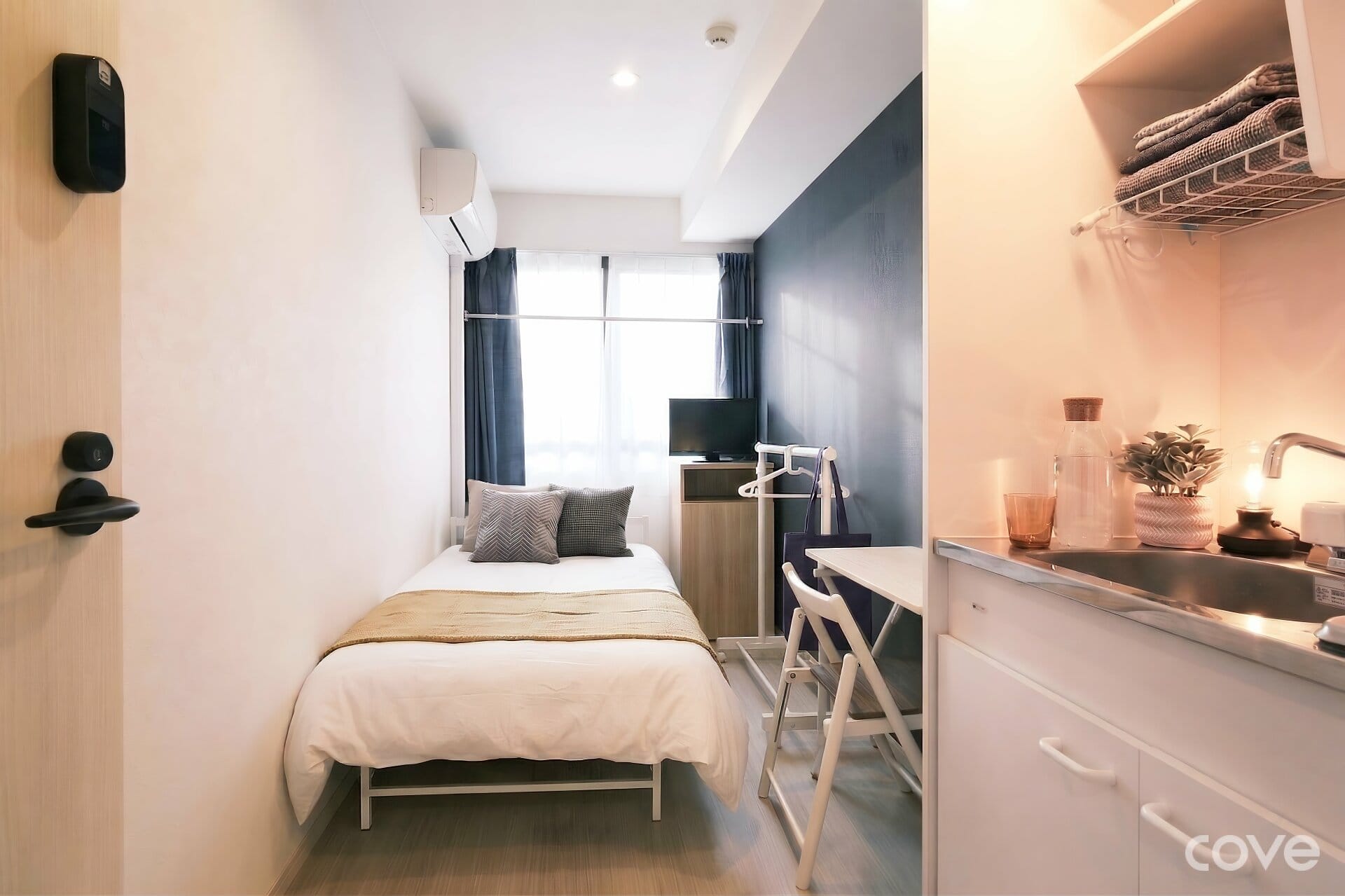
A foreigner-friendly apartment in Japan is a rental property where the landlord explicitly accepts non-Japanese tenants and the leasing process accommodates people who do not speak Japanese, lack a Japanese guarantor, or have recently arrived in the country. The term is not regulated or standardized. It is used informally by real estate agents, listing platforms, and housing operators to signal that a property will not reject applicants based on nationality.
Why "foreigner-friendly" is a category in Japan
Japan's rental market allows landlords to decline tenants for any reason, including nationality. No anti-discrimination law covers private housing. A 2017 Ministry of Justice survey found that about 40% of foreign residents who searched for rental housing in Japan were rejected because they were not Japanese, and 27% encountered listings that explicitly stated "no foreigners allowed." Common reasons landlords give include concerns about language barriers, cultural differences around garbage sorting and noise, and the risk that a foreign tenant may leave Japan before the lease ends.
Because of this, real estate agents and housing platforms often tag certain listings as "foreigner-friendly" to save tenants from applying to properties that will reject them. The label does not mean the apartment is designed for foreigners. It means the landlord is willing to rent to them.
What a foreigner-friendly apartment typically offers
Not every foreigner-friendly listing offers the same level of accessibility. The term covers a wide range, from a standard Japanese apartment with a tolerant landlord to a fully serviced property designed specifically for international residents.
Most foreigner-friendly apartments in Japan share some combination of these features:
- English-speaking support. The agent or property manager can communicate in English during the application, contract signing, and move-in process. This does not always extend to ongoing maintenance requests.
- Flexible guarantor requirements. Standard Japanese leases require a guarantor (保証人), which is a Japanese citizen who agrees to cover your rent if you cannot pay. Foreigner-friendly properties often accept a guarantee company (保証会社) instead, or waive the guarantor requirement entirely.
- Acceptance of non-standard documentation. Regular Japanese rentals typically require a residence card (在留カード), proof of income from a Japanese employer, and a Japanese bank account. Foreigner-friendly properties may accept a passport, overseas employment proof, or credit card payment as alternatives.
- Willingness to explain Japanese rental customs. Fees like key money (礼金), contract renewal fees, and cleaning deposits are unfamiliar to most foreigners. Foreigner-friendly agents will explain these clearly rather than assume you already understand the system.
Foreigner-friendly does not mean hassle-free
A foreigner-friendly regular apartment still follows the standard Japanese rental structure. You will likely still encounter key money (one to two months' rent, non-refundable), a security deposit, a two-year lease, and an unfurnished unit that you furnish from scratch. The "foreigner-friendly" label removes the nationality barrier but not the structural costs and complexity of renting in Japan.
For foreigners who want to skip these hurdles entirely, serviced apartments in Japan are an alternative. Serviced apartments are fully furnished, require no guarantor and no key money, accept tenants without a residence card, and offer flexible lease terms starting from one month. The trade-off is higher monthly rent, but for stays under one to two years, the total cost is often comparable or lower because the upfront fees are eliminated.
How to find foreigner-friendly apartments in Japan
- Online listing platforms. Sites like GaijinPot Apartments, Real Estate Japan, and Suumo (with translation) allow you to filter for foreigner-friendly listings. These platforms aggregate properties from multiple agents.
- Foreigner-focused real estate agents. Agencies like Plaza Homes, Sakura House, and Village House specialize in helping non-Japanese tenants. They handle the language barrier and pre-screen listings for landlord willingness.
- Serviced apartment operators. Companies like Cove operate fully furnished apartments across Tokyo designed for international residents. No guarantor, no key money, and English support throughout your stay.