Documents and Screening for Renting in Japan as a Foreigner (2026)
What documents foreigners need to rent an apartment in Japan, what landlords check in screening, and how to rent before your residence card arrives.

Finding a place to live is one of the first things to sort out when you move to Japan. For many foreigners it is also the most confusing part. Which documents do you need for your visa? What if you do not have a residence card or a Japanese bank account yet? Japanese rentals come with their own rules. It is normal to feel unsure where to start.
The good news is that most of it comes down to a few documents and a short screening. Landlords usually ask for your passport and residence card along with proof of your income or school. Most also need a rent guarantee company and an emergency contact in Japan. Once you know what each one is for, preparing becomes much simpler, even before you arrive in Japan.
Documents for a regular rental
Foreigners renting an apartment in Japan usually need their passport and residence card along with proof of income or school. The exact documents depend on your residence status. Here is what a regular rental usually asks for in each situation:
If you are
Working in Japan
- Passport and residence cardIssued at the airport or immigration office
- Employment certificateFrom your HR team
- Recent pay slipsFrom your payroll team
- Residence certificate (juminhyo)From your city or ward office
If you are
Studying in Japan
- Passport and residence cardIssued at the airport or immigration office
- Certificate of enrollmentFrom your school office
- Proof of savingsAbout six months' rent
- Residence certificate (juminhyo)From your city or ward office
If you are a
Permanent resident
- Passport and residence cardShows permanent residency
- Recent pay slipsFrom your employer
- Tax certificateFrom your city office
- Residence certificate (juminhyo)From your city or ward office
If you are
Not in Japan yet
- PassportNeeded for every application
- Certificate of EligibilityApplied for by your employer or school
- Offer or acceptance letterFrom your employer or school
On top of these, most applications also need:
- Guarantor company application: Most landlords now use a rent guarantee company instead of a personal guarantor. The company runs its own check and charges a fee. With a guarantor company, a personal guarantor is usually not needed. Some properties still ask for both.
- Emergency contact in Japan: Usually a friend or colleague who lives in Japan and has agreed to be contacted. If you do not know anyone in Japan yet, some agents offer a paid emergency contact service for around ¥15,000 to ¥20,000.
- Japanese bank account: Many regular rentals collect rent by bank transfer or direct debit from a Japanese account.
The Ministry of Land, Infrastructure, Transport and Tourism (MLIT) publishes an apartment search guidebook and a checklist of screening documents in 14 languages. Both are useful if this is your first rental in Japan.
What landlords check during screening
Tenant screening in Japan mainly checks whether you can pay rent and stay for the full lease. Your application is reviewed by the landlord and the management company. The guarantor company runs its own check too. They mainly look at five things:
- Income: Landlords in Japan usually expect monthly income of at least three times the rent. For a ¥80,000 apartment, that means about ¥240,000 a month.
- Remaining visa period: Regular leases usually run for two years. Having at least one year left on your visa makes approval easier.
- Guarantor company approval: Some guarantor companies work with foreign tenants more often than others. It helps to ask the agent which company the property uses.
- Emergency contact: Screening can stall if your contact is unreachable when the company calls.
- Communication: Landlords want to know you understand the contract and can be reached if something goes wrong.
Tenant screening in Japan usually takes one to two weeks. It can take longer between January and March, when many people move.
Steps to rent an apartment in Japan
Renting a regular apartment in Japan usually follows five steps from viewing to move-in:
- 1
View
Visit or video call
- 2
Apply
Send your documents
- 3
Screening
1 to 2 weeks
- 4
Sign
Pay initial costs
- 5
Move in
Get your keys
With Cove, every step happens online, even before you land in Japan.
Common reasons applications get rejected
Most rental rejections for foreigners in Japan come down to a few issues that you can prepare for. Landlords usually do not explain the reason. It helps to check each one before you apply:
- Rent is too high for your income: Look for a place where rent is about a third of your monthly income. You can also ask whether savings can be used for screening instead.
- Your visa ends soon: Bring proof that you have applied for renewal. A letter from your employer confirming your contract also helps.
- Missing or unclear documents: Make sure every copy is sharp and your residence card shows your current address. Any certificate from your city office should also be recent.
- No emergency contact: Ask your employer or school if they can be your contact before you apply.
If you are rejected, applying again with the same details usually gives the same result. Changing the property or the documents you submit works better.
Renting before you have a residence card
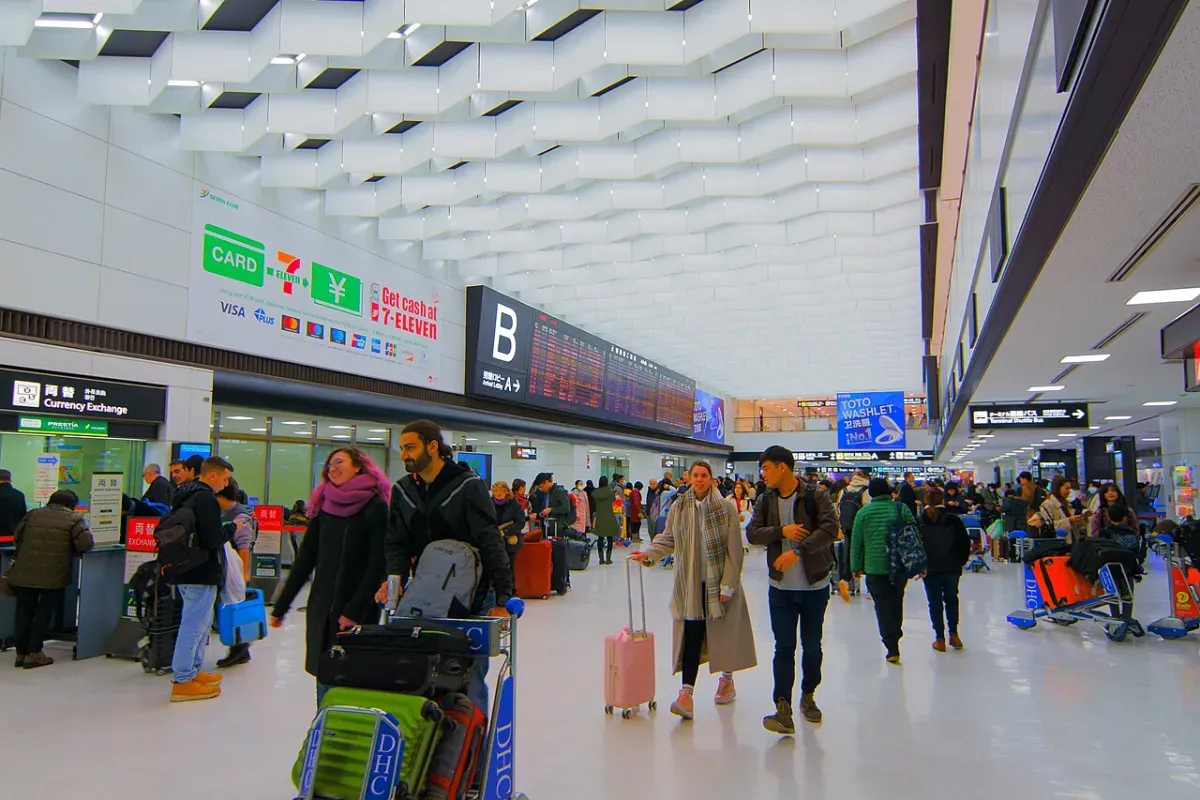
Foreigners can rent in Japan before getting a residence card by starting in a furnished rental that accepts a passport and visa or CoE. Regular rentals are harder at this stage. On a mid to long-term visa, you receive your residence card when you land at a major airport. You then need to register your address at your city office within 14 days of moving in. Many regular rentals ask for that registration before they sign a lease. New arrivals can get stuck between needing an address and needing a lease.
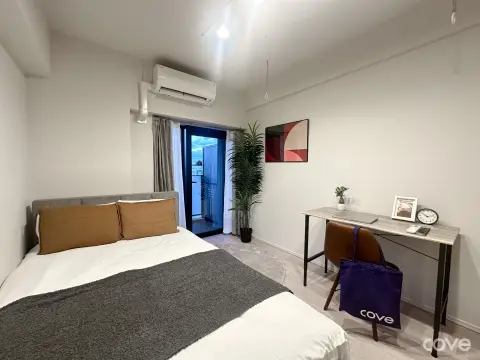
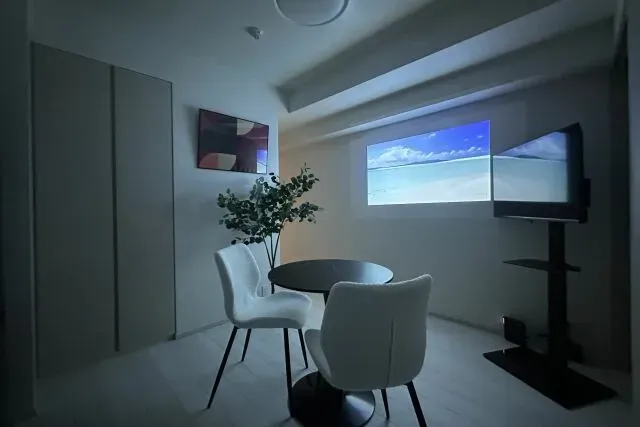
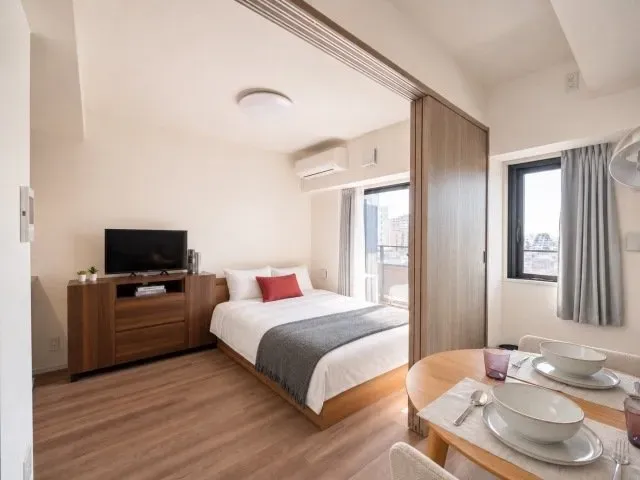
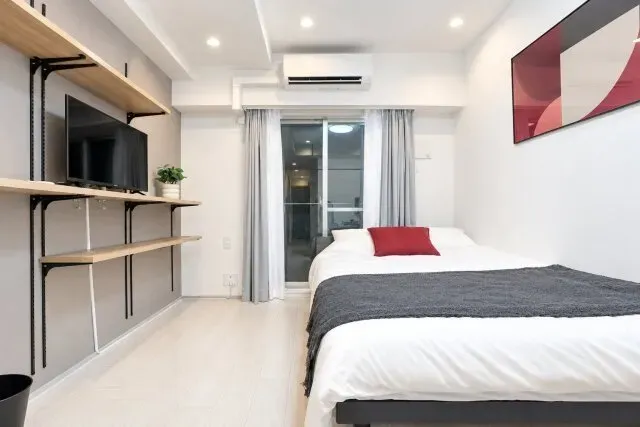
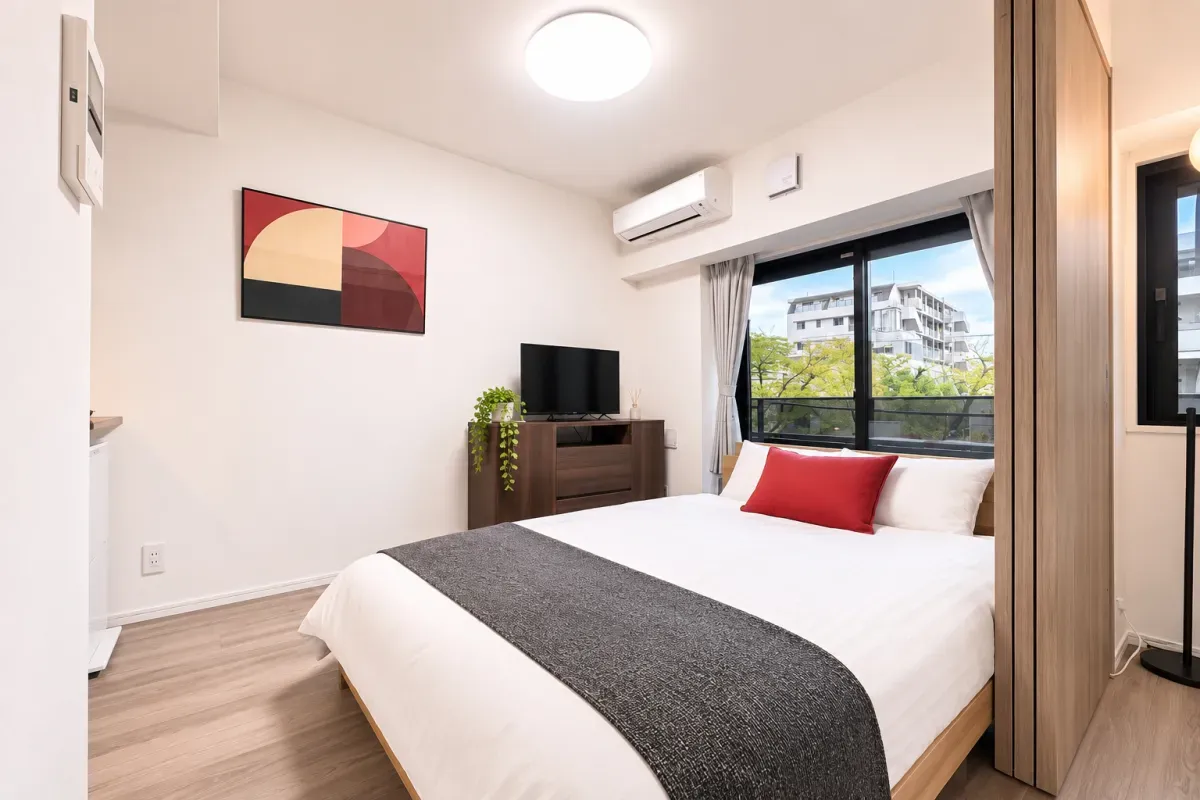
A furnished rental gets you out of that loop. You can register your address there and take your time finding a long-term home. Cove's furnished apartments in Tokyo are built for this situation. You can apply with your passport and visa or CoE before you fly. Every property has a 3D virtual tour you can watch from home. The tenancy agreement is also signed online.
For HR teams arranging housing for foreign employees
Companies hiring foreign employees can make housing approval easier by preparing a few documents before the employee arrives. A new hire from overseas usually has no residence card or Japanese bank account yet. Without a payslip from Japan, a regular rental is hard to approve. These help the move go smoothly:
- Offer letter or employment certificate: A letter that shows the employee's role and salary helps both landlords and guarantor companies. It works even better when it also states the start date.
- Company contact for screening calls: Let the employee's agent know who can confirm their employment if a guarantor company calls.
- A furnished place for the first months: A furnished apartment gives the employee an address to register and time to choose a long-term home once they have settled into their new role.
Regular rental vs furnished rental for foreigners
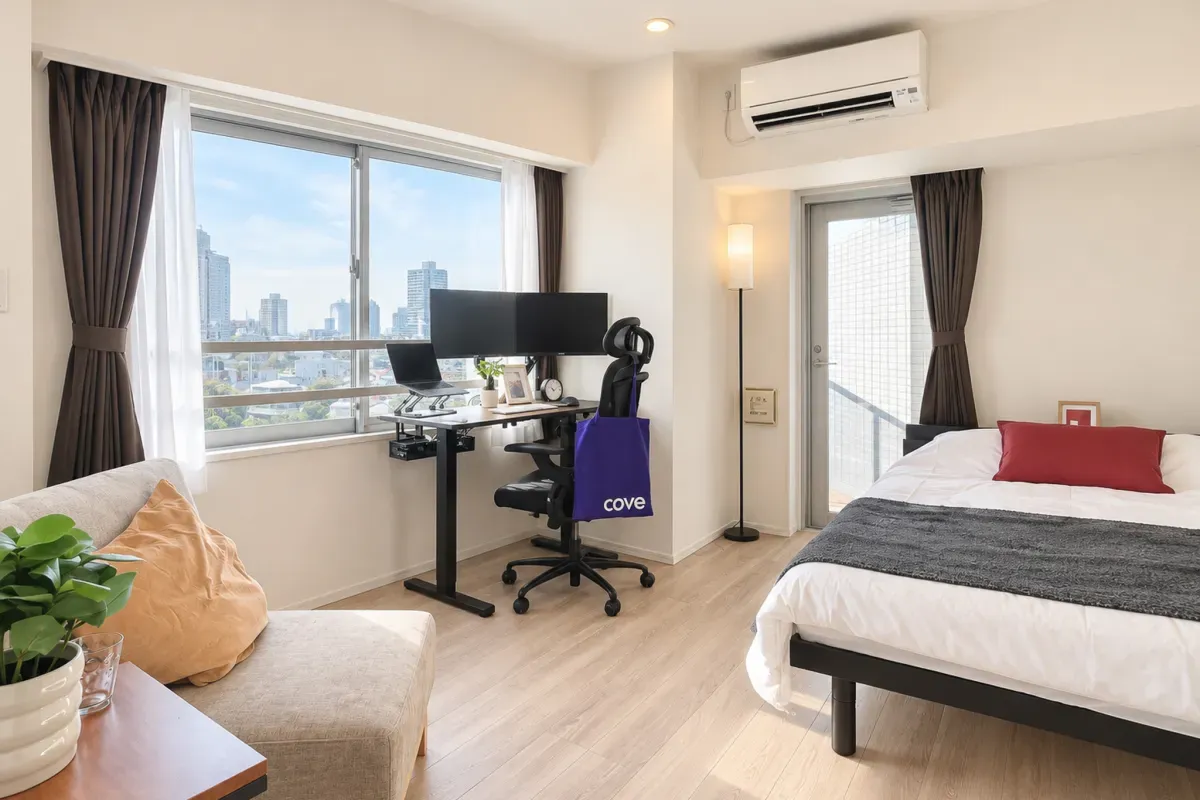
Cove's furnished apartments in Tokyo can be booked with your passport and visa or CoE for stays from one month. You do not need a guarantor or a Japanese bank account. Cove also charges no key money or agent fee. Here is how that compares with a regular rental:
| Regular rental | ||
|---|---|---|
| Guarantor | Usually required | Not needed |
| Key money | 1 to 2 months' rent | None |
| Agent fee | One month's rent | None |
| Bank account | Often needed | Not needed |
| Lease length | Usually two years | From one month |
| Furniture | Unfurnished | Fully furnished |
| Viewing from abroad | Usually in person | 3D virtual tour |
Find a furnished apartment in Tokyo with Cove
Moving to Japan is a big step. Housing should not be the hardest part of it. Cove offers furnished apartments across Tokyo that you can book with your passport and visa, without a guarantor, even before you arrive.