
Living in Kiyosumi-Shirakawa - Tokyo’s Coffee and Art Neighborhood in Koto Ward
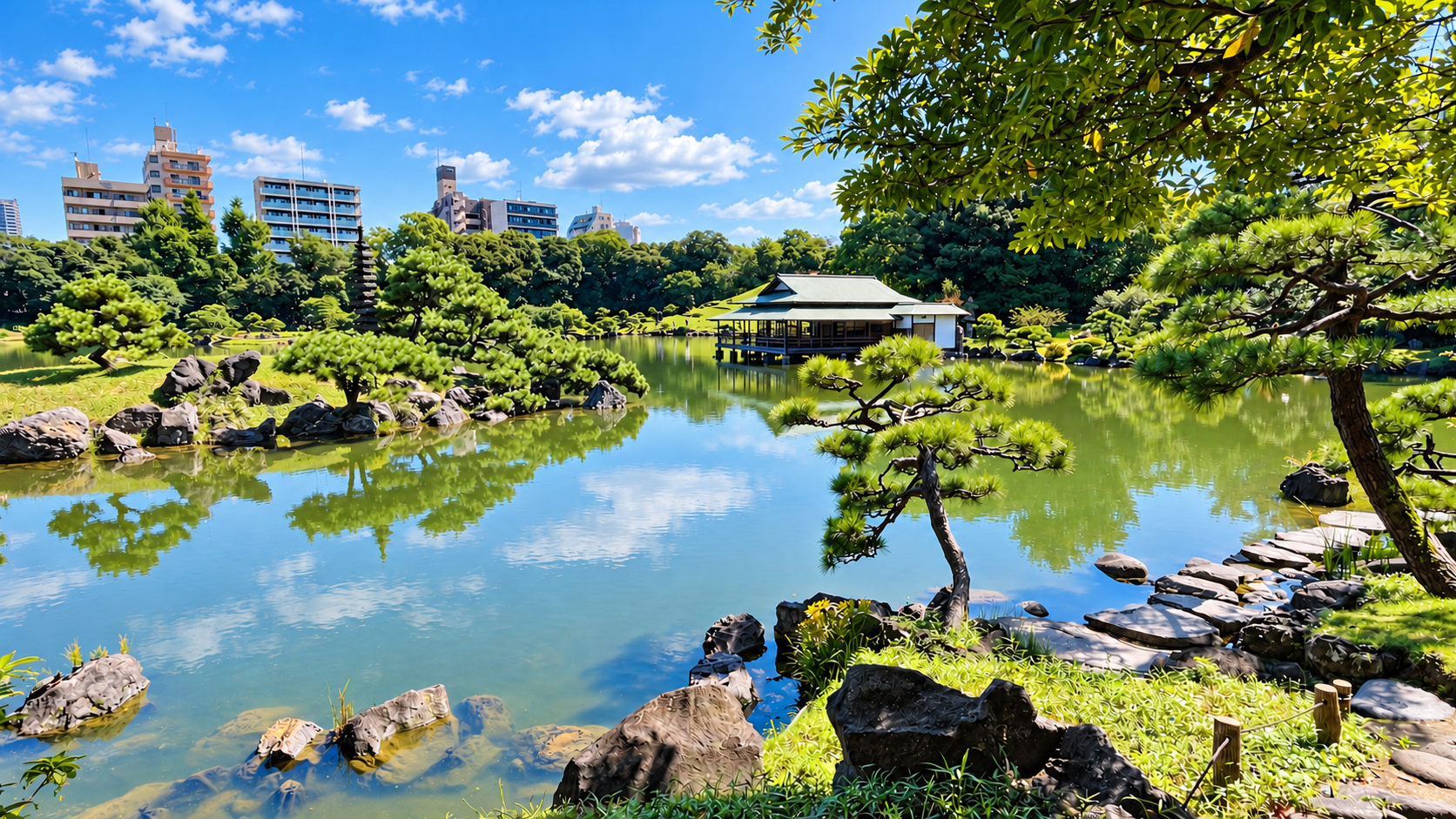
Why people fall for Kiyosumi-Shirakawa
Kiyosumi-Shirakawa is a quiet, low-rise residential neighborhood in Tokyo’s Koto Ward, known for its specialty coffee roasters, the Museum of Contemporary Art Tokyo, and canal-side streets. It sits about 10 minutes by subway from Otemachi, yet it feels more like a small town than a business district.
Most people first hear about Kiyosumi-Shirakawa because of coffee. In 2015, Blue Bottle Coffee chose a converted warehouse here for its first café outside the United States, and the neighborhood has been on every coffee lover’s map ever since. But people who end up living here usually stay for something else: the slower pace.
Mornings start with a walk along the Sendaibori River. Afternoons might mean a free hour at a gallery or a few laps of Kiba Park. There are no giant shopping malls and no neon. Instead you get old shitamachi (downtown Tokyo) shopping streets, family-run shops, and neighbors who actually say hello.
If you know Shimokitazawa in Tokyo’s west, with its vintage shops and live houses, think of Kiyosumi-Shirakawa as its east-side cousin: just as independent, but built around coffee and art instead of music, and much quieter after dark. It has that warm, lived-in Asian feeling of old Tokyo neighborhoods, where the tofu shop and the third-wave café sit on the same block. And when you do want a Shimokitazawa night out, it’s an easy trip, the Hanzomon Line to Shibuya, then the Keio Inokashira Line.
If you’re comparing Tokyo neighborhoods and want somewhere central but calm, here’s what living in Kiyosumi-Shirakawa is really like, and why we think it belongs on any list of the best neighborhoods in Tokyo.
Where is Kiyosumi-Shirakawa, and how easy is the commute?
Kiyosumi-Shirakawa is in the northwest of Koto Ward, on the east bank of the Sumida River, and its station is served by two subway lines: the Tokyo Metro Hanzomon Line and the Toei Oedo Line. That combination is what makes it so practical for daily life.
The Hanzomon Line runs straight through Otemachi, Jimbocho, Aoyama and Shibuya, and continues on to the Tokyu Den-en-toshi Line. The Oedo Line loops around central Tokyo, linking you to Roppongi, Shiodome, Ueno and Shinjuku without a transfer.
| destination | train line | approx. time |
|---|---|---|
| OtemachiMarunouchi business district | Hanzomon | 6 min |
| Ginza areaMitsukoshimae | Hanzomon | 4 min |
| Shibuya | Hanzomon, direct | 25 min |
| Roppongi | Oedo, direct | 20 min |
| ShinjukuShinjuku-nishiguchi | Oedo, direct | 30 min |
| Haneda Airport | Oedo + Keikyuvia Daimon | 40 to 45 min |
Approximate travel times from Kiyosumi-Shirakawa Station.
The neighborhood itself is compact and flat, which makes it great for walking and cycling. Neighboring Monzen-Nakacho (with its Tozai Line), Morishita and Kiba are all within a 10–20 minute walk, so you have plenty of extra station options. Kinshicho, with its big shopping centers and JR Sobu Line, is just two stops away on the Hanzomon Line for the bigger shopping trips. Weekend day trips from Tokyo are easy too: Tokyo Station is close by, and from there Kamakura and the little Enoden Line along the coast are about an hour away.
Closer to home, there’s plenty for a free Saturday. Sensoji Temple in Asakusa is a short subway ride away; the main hall is open 6:00–17:00 and entry is free, so going early beats the crowds. For something less touristy, the Tokyo Daibutsu at Jorenji in Itabashi is a 13-metre bronze Buddha, built in 1977. And for a longer break, Kyoto’s Fushimi Inari Shrine has no entrance fee and is open 24 hours, but that’s a Shinkansen weekend rather than a day trip from Tokyo.
The coffee scene: why it’s called Tokyo’s coffee town
Kiyosumi-Shirakawa earned its “coffee town” nickname because its old timber and logistics warehouses had the high ceilings and floor space that roasteries need. When Blue Bottle opened here in 2015, others followed, and today you can walk between a handful of serious roasters in under 15 minutes.
A few places locals actually go back to:
- Blue Bottle Coffee Kiyosumi-Shirakawa — the flagship that started the wave, with a roastery and café in a renovated warehouse.
- Iki Roastery & Eatery — a waterside spot near the Sumida River, run by a couple who lived in New Zealand for over 20 years. Good for a long brunch.
- Koffee Mameya Kakeru — more coffee bar than café. Baristas guide you through tasting courses, so book ahead.
- Sunday Zoo Coffee and Beans — a tiny, family-run roaster doing small-batch single origins.
The nice thing about living here, rather than visiting, is that you skip the weekend lines. Weekday mornings are calm, and you’ll quickly find your own regular spot.
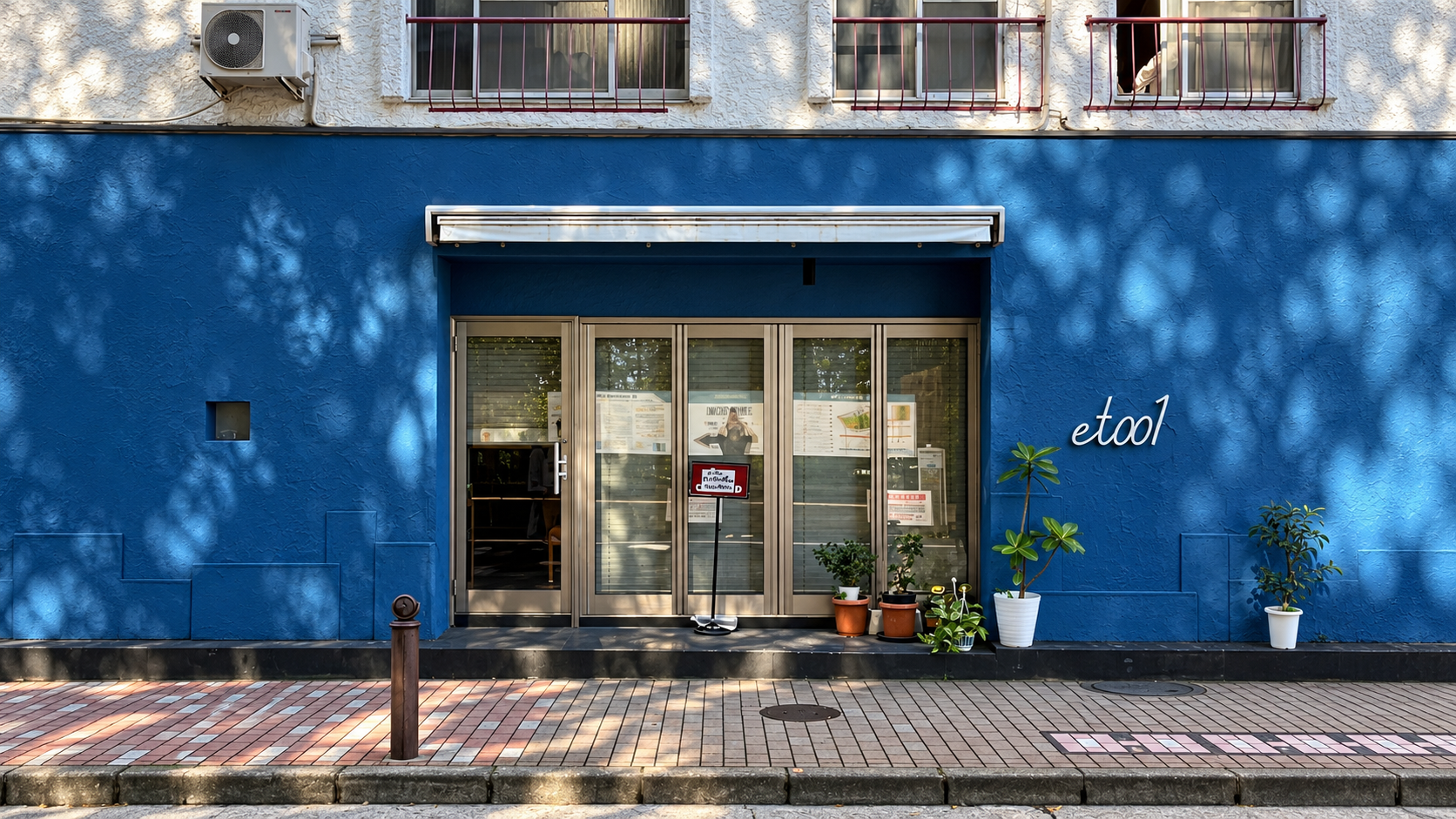
Art and culture on your doorstep
The Museum of Contemporary Art Tokyo (MOT), at the edge of Kiba Park, is the area’s cultural anchor, with a collection of about 6,000 works and a rotating program of major exhibitions. It’s around a 9-minute walk from Kiyosumi-Shirakawa Station (Exit B2), open 10:00–18:00 and closed Mondays.
Living nearby changes how you use a museum like this. Instead of a once-a-year trip, it becomes somewhere you drop into on a rainy Sunday, or after a coffee, just to see one room.
Art here isn’t only in the museum, either:
- Fukagawa Edo Museum recreates a full-size Edo-period riverside neighborhood indoors. It’s a great introduction to the area’s history and a favorite with visiting family.
- Small galleries, design shops and bookstores are tucked into the side streets between the station and the museum, many of them in converted warehouses and old wooden houses.
- Shitamachi temples and shrines, including Fukagawa Fudo-do and Tomioka Hachimangu in neighboring Monzen-Nakacho, keep the neighborhood’s festival calendar busy.
It’s a good mix: modern art for the weekend, old Tokyo traditions all year round.
Parks, rivers and everyday life
For a central Tokyo neighborhood, Kiyosumi-Shirakawa has an unusual amount of green space and water: Kiyosumi Gardens, Kiba Park and several canals are all within walking distance.
- Kiyosumi Gardens (Kiyosumi Teien) — a Meiji-era landscape garden with a large pond, stepping stones and rocks brought from across Japan. It’s about 3 minutes from Exit A3, open 9:00–17:00, and general admission is just 150 yen. Residents treat it like a quiet backyard.
- Kiba Park — a big, open park with lawns, a dog run, sports facilities and seasonal flowers. Ideal for morning runs or weekends with kids or a dog.
- Rivers and canals — the Sumida, Onagi and Sendaibori rivers frame the area. The riverside paths are lined with cherry trees, and spring here is lovely without the crowds of Meguro or Ueno. The Vernal Equinox Day holiday in late March is a favorite time for a long walk by the water, just as the first blossoms open.
Day-to-day errands are easy. Fukagawa Shiryokan-dori, the main shopping street, has supermarkets, bakeries, small restaurants and long-running local shops. You’ll also find convenience stores, clinics, post offices and libraries close by. The area is known for Fukagawa-meshi, a comforting local rice dish with clams, which you’ll see on menus around the station.
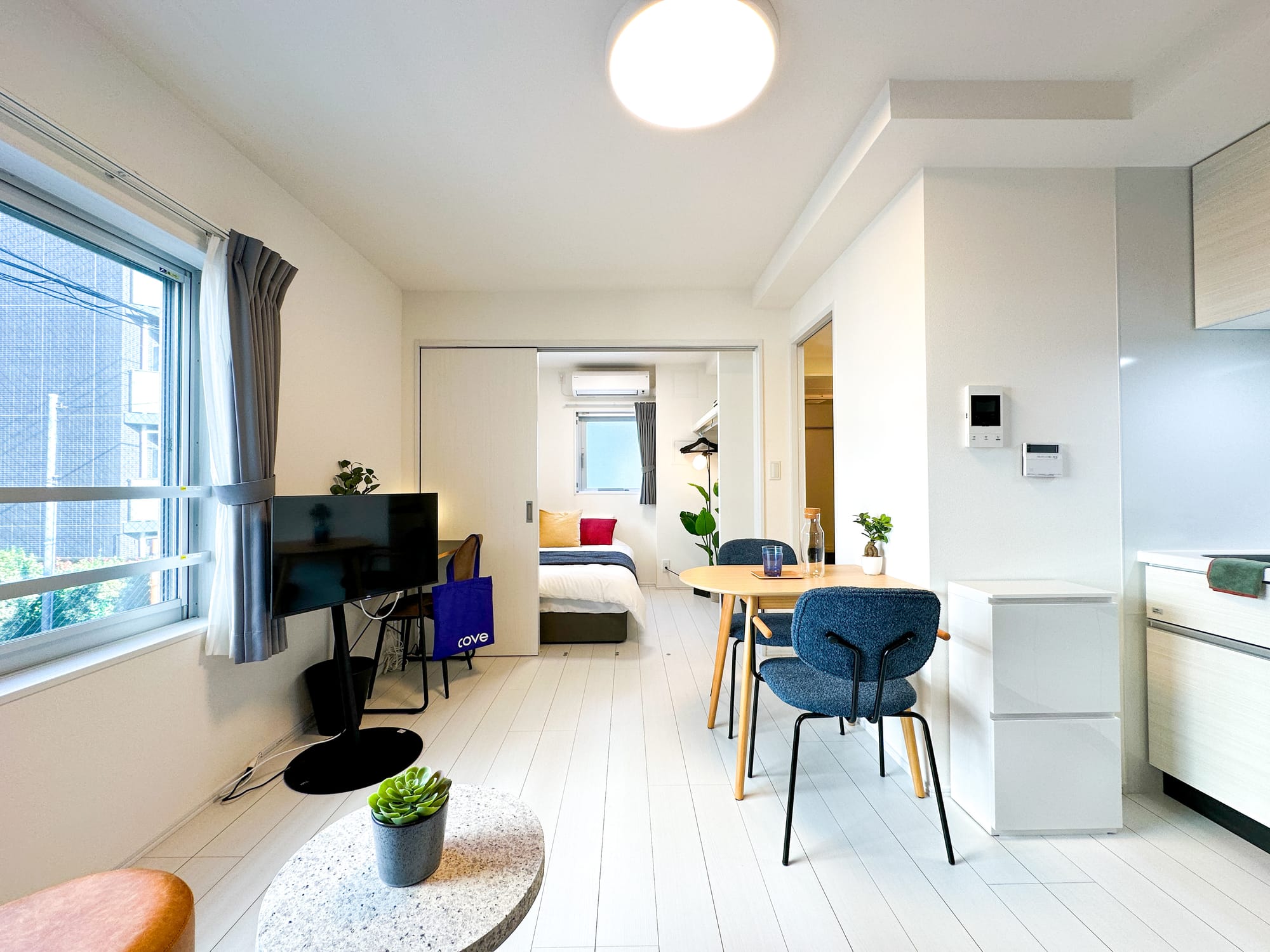
Housing in Kiyosumi-Shirakawa: what to expect and who it suits
Housing in Kiyosumi-Shirakawa is mostly low- and mid-rise apartment buildings, with a growing number of newer compact units, and it usually costs less than comparable homes in west-side areas like Shibuya or Minato. You’ll see everything from older walk-ups on quiet lanes to modern buildings near the main roads. It isn’t where you’ll find the cheapest apartment in Tokyo, but for somewhere this central it’s good value.
The area tends to suit:
- Professionals working in Otemachi, Nihonbashi or Ginza who want a short commute without living in the business district.
- Creatives and remote workers who like cafés to work from and a neighborhood with character.
- Couples and small families looking for parks, a calmer pace and good everyday shopping.
- Newcomers to Japan who want a “real Tokyo” neighborhood that is still easy to navigate.
A lot of people who move here are also job hunting. If you’re looking for part time jobs or work from home jobs in English, sites like Jobs in Japan (jobsinjapan.com) are a common place to start, and the area’s cafés make good spots to work remotely. If you’re on a student visa, remember you need permission from immigration before you start, and you can work up to 28 hours a week during term.
Moving in without the usual hassle
Renting in Japan the traditional way usually means paying key money (a non-refundable gift to the landlord), finding a guarantor or guarantor company, signing a two-year contract and then furnishing an empty apartment. If you’re still working out how to move to Japan, that’s a lot to take on at once.
That’s why many newcomers start with furnished apartments. Cove Japan offers monthly apartments in Tokyo with no key money and no guarantor needed, from a one-month minimum stay. That makes them a flexible short-term rental while you get to know the city, or a comfortable base for a longer stay. Free high-speed Wi-Fi and English-speaking support are included.
It also means you can skip the moving company. With the furniture, kitchenware and Wi-Fi already in place, most people arrive with a couple of suitcases and are settled the same day.
Arriving before you can check in? You can leave your bags at Tokyo Station. There are coin lockers inside the ticket gates (from 400 yen a day) and a baggage storage center outside the gates, so you can explore first and bring your luggage over later. Tokyo Station is only a few stops from Kiyosumi-Shirakawa.
One thing to do soon after you arrive: register your address at the ward office. In Japan, new residents generally need to register within 14 days of moving in, and that registration is what lets you get a juminhyo (certificate of residence). You’ll need it for things like opening a bank account or signing a phone contract. Kiyosumi-Shirakawa residents use the Koto City Office in Toyocho, a short ride away on the Tozai Line from Monzen-Nakacho. The good news, you can register your Cove address, so this works exactly as it would in any other Tokyo home.
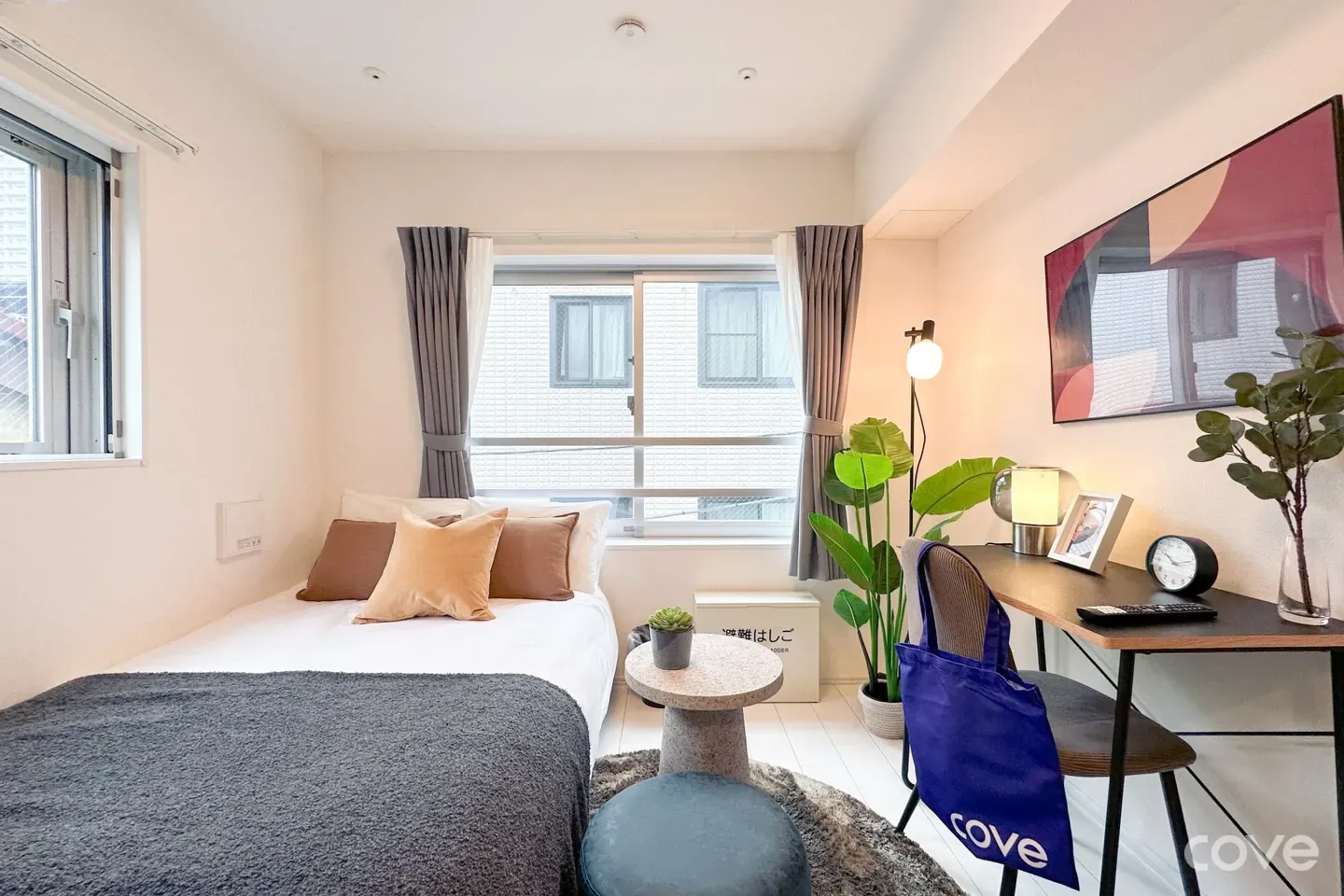
Cove Kiyosumi-Shirakawa is a newly built property (completed in 2025) in Miyoshi, about a 9-minute walk from the station and close to both Kiyosumi Gardens and MOT. It has 1R studios of around 19 m² and 1LDK units of around 29 m², each for up to two people. (If you’re wondering about the 1LDK meaning: it’s one bedroom plus a combined living, dining and kitchen space.)
See furnished apartments at Cove Kiyosumi-Shirakawa
Cove vs serviced residences and shares
If you’re comparing places to stay, you’ve probably seen serviced residences like Citadines Central Shinjuku Tokyo, Ascott Marunouchi Tokyo and Citadines Harbour Front Yokohama, or the co-living brand lyf Ginza Tokyo. All four are run by The Ascott Limited, and they work a bit like hotels with kitchens. Shares (share houses) are the other popular option: cheaper, with shared kitchens and lounges.
Cove sits somewhere in between. Our homes are furnished apartments you can rent from one month, with no key money and no guarantor needed. You can also register your Cove address at the ward office, so getting your juminhyo, opening a bank account and signing a phone contract work just as they would in any other Tokyo home. And instead of a hotel-style lobby, you live on an ordinary local street, which in Kiyosumi-Shirakawa means coffee roasters and gardens around the corner.
Whichever you choose, starting furnished gives you time to learn the Tokyo real estate market before you sign a long lease.
Why Cove chose Kiyosumi-Shirakawa
We chose Kiyosumi-Shirakawa for a simple reason: it’s close to Tokyo’s central business districts, but it still has a lot of green. Otemachi is about 6 minutes away by subway, yet Kiyosumi Gardens, Kiba Park and the riverside paths are right on your doorstep. It’s also a neighborhood that Japanese locals know and love, so living here feels like being part of real Tokyo, not a place built for visitors.
That balance is exactly what our residents are looking for. Most people at Cove Kiyosumi-Shirakawa work in the central business districts or study at universities nearby. They want a short commute on weekdays and somewhere calm to come home to in the evening.
Here’s how one resident put it in a Google review:
I’m extremely happy and satisfied living at Cove Kiyosumi Shirakawa. The place has a great atmosphere. it’s clean, modern, and very comfortable. The location is super convenient, with grocery stores, beautiful parks, and the station all within walking distance. It really feels like a perfect balance between comfort and city living. I’d definitely recommend it to anyone looking for a great place to stay in Tokyo.
Pros and cons of living in Kiyosumi-Shirakawa
The big trade-off: you get calm, green, characterful streets close to central Tokyo, but less nightlife and fewer big-name shops than west-side hubs.
pros
- Two subway lines; Otemachi in about 6 minutes
- Excellent specialty coffee and cafés
- Kiyosumi Gardens, Kiba Park and riverside walks
- Contemporary art museum within walking distance
- Friendly, low-rise shitamachi atmosphere
- Generally better value than Shibuya, Minato or Meguro
cons
- No JR station in the neighborhood itself
- Popular cafés get weekend crowds and lines
- Quieter evenings; limited late-night bars
- Big shopping trips mean heading to Ginza or Nihonbashi
- Some homes are a 10+ minute walk from the station
- Older buildings can be small, so compare layouts carefully
If your ideal Tokyo life is coffee, walks and a short commute, the cons are easy to live with.