
How to Find a Furnished Apartment in Tokyo (2026)

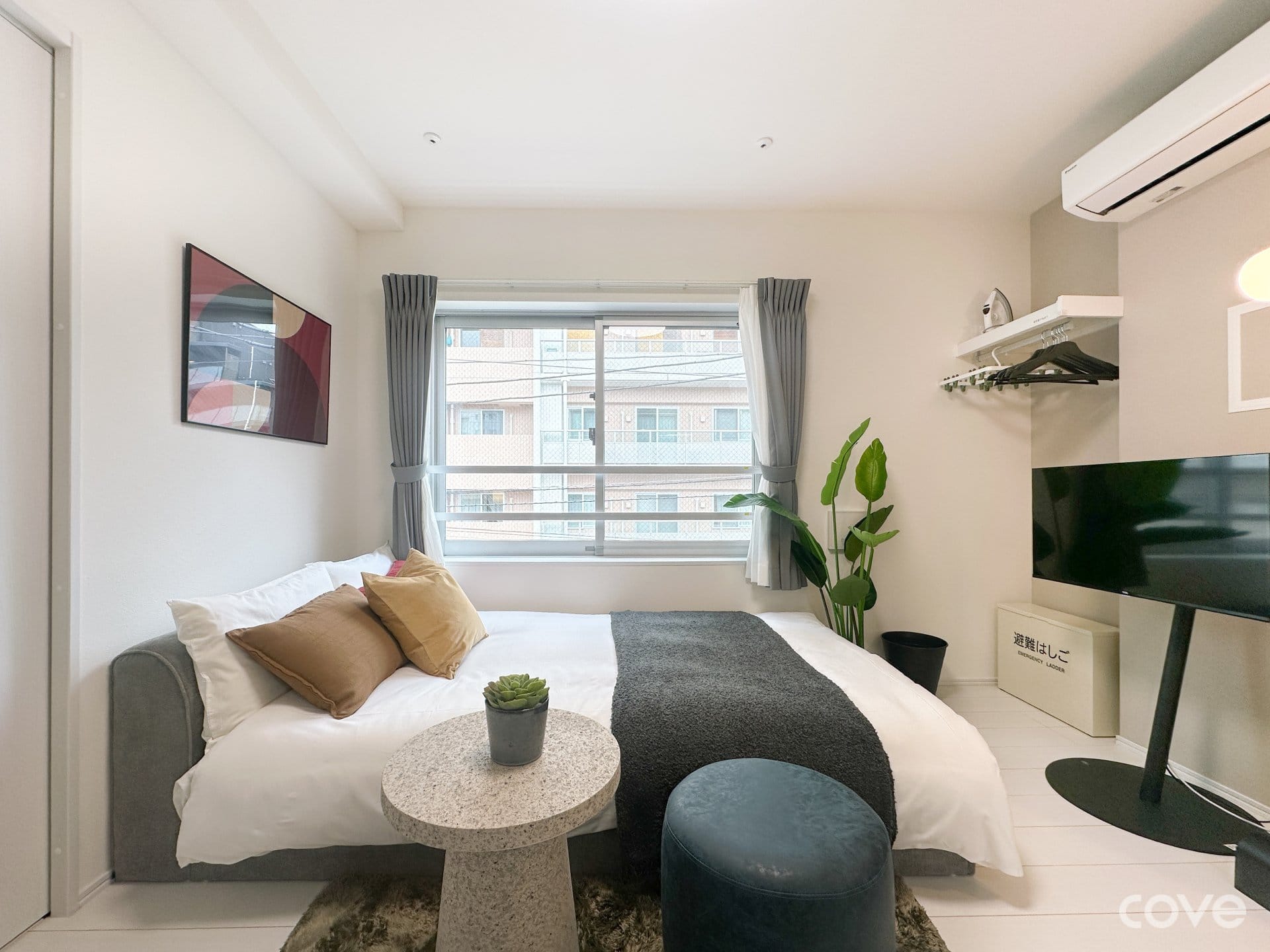
Finding a furnished apartment in Tokyo comes down to matching the home to how you plan to live here. If you are moving for a few months to a couple of years, a furnished place spares you the appliance runs and utility contracts. Below you will find where to look, what furnished costs each month, and how the rental works step by step. The closing section weighs furnished against unfurnished so you can decide which fits.
Who a furnished apartment in Tokyo suits
Furnished apartments in Tokyo suit renters who want a move-in-ready home more than the lowest sticker price. Picture a professional or a family relocating for a few months to a couple of years. You do not want to buy a fridge, wire internet, or argue a Japanese lease you may not read. A furnished home skips all of that. The furniture, appliances, and connections are in place the day you collect the keys.
Cove's furnished listings start from ¥150,000 per month. At that rate you move into a premium room that is already styled and fully furnished, from the bed and sofa to a stocked kitchen. How long you stay is up to you. The one-month minimum works for a short posting, and you can extend when a few months turns into a year.
Where to look for a furnished apartment in Tokyo
To find a furnished apartment in Tokyo, you search three channels:
- Direct operators who own and manage their own furnished homes.
- Agents who broker individual units for landlords.
- Listing portals that pull homes together from many sources.
Each channel turns up different homes, so most renters check more than one before they commit.
Listing portals cast the widest net. Some of the bigger names are PLAZA HOMES, GaijinPot Apartments, OAKHouse, and MetroResidences, which list large numbers of furnished and monthly units. They are a sensible place to gauge what a given ward offers. Just remember that a portal is only an index, so the support and paperwork change from one listing to the next.
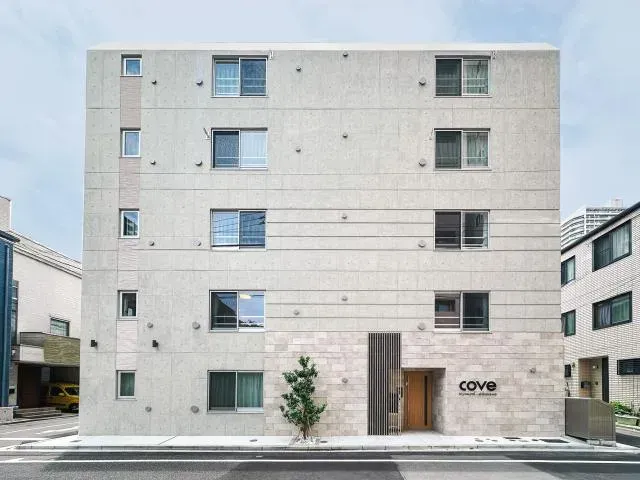
Direct operators sit at the other end. Cove runs its own furnished buildings and rents to you directly, with English support and no guarantor, no key money. You see fewer units than an aggregator lists. Each one comes furnished to the same standard, with the same English help, which is what a first-time Tokyo renter needs most. You can browse furnished apartments in Tokyo to see how an operator presents its inventory.
Direct operators vs agency portals
The choice between them is bundled convenience against raw choice. Direct operators fold utilities and internet into one monthly rate and run everything in English. Agency portals show more inventory, then add agency fees and Japanese-language paperwork on top. Neither wins outright. It depends on whether you want the widest search or the smoothest move.
A Cove home folds electricity, gas, water, and superfast 1GB mesh wifi into the rent. There is no key money at signing. Cleaning you arrange when you want it, so the one figure you see covers your core living costs. A portal, by contrast, gives you more buildings to compare, but leaves the inclusions and support to vary property by property. When transparency and hands-on help matter more than sheer volume, the direct route wins.
What a furnished apartment in Tokyo costs
A furnished apartment in Tokyo starts from around ¥150,000 per month and climbs with size, location, and service level. That figure, drawn from Cove's listings, gets you a fully furnished home in a well-connected ward. Read it as the entry point to a premium, all-inclusive product, not a bare studio.
A furnished rate looks high next to an unfurnished one, but you are not comparing like for like. Rent an empty apartment and you still buy the fridge, bed, and sofa yourself. You arrange the delivery, the setup, and the utility contracts before you can move in. Furnished rolls all of that into one monthly figure. For a fuller breakdown across term lengths, see our guide to monthly furnished apartments in Tokyo.
Monthly rent and what is included
The monthly rate covers what you would otherwise buy and arrange yourself: furniture, utilities, and internet. Knowing where each one stops is how you compare two listings fairly.
Utilities come included, though often with a ceiling. Japan Dev notes that gas, water, and electricity are bundled into the rent up to a certain limit, so heavy use in peak summer or winter can add a small overage. Cleaning sits apart as a tiered fee on many monthly rentals: around ¥10,000 for stays under a month, ¥15,000 for 1-3 months, ¥30,000 for 3-6 months, and ¥50,000 for 6-12 months.
Rent at Cove comes with fast wifi, a smart TV, and a washing machine. The kitchen is kitted out too, down to the pots, kettle, and toaster. A furnished apartment, then, covers the full domestic setup: furniture, appliances, internet, and utilities up to a cap. You arrive to a home you can live in from hour one.
The furnished rental process, step by step
The furnished rental process is short and mostly online, which is part of the appeal. Drawing on a renter's documented experience on RealEstate.co.jp, it runs in seven steps:
- Search and select. Decide on apartment size, nearest station, and budget, then filter listings to a shortlist.
- Inquire for a quote. Fill out the inquiry form on the listing to reach the operator or agent managing the home.
- Apply and sign online. The contract arrives by email for you to complete and return, with no in-person visit.
- Pay. Settle the move-in total, which typically covers rent, a security deposit, and the cleaning fee.
- Receive your check-in guide. Once payment clears, you get directions and access instructions for the apartment.
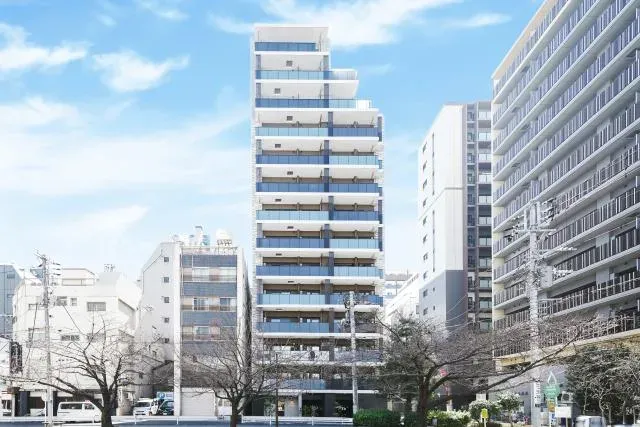
- Move in. Buildings often use an auto-lock (オートロック) entrance, so you enter a passcode rather than collecting a physical key.
- Check out. Note the departure deadline in your contract; in the documented case, check-out was set for 11 AM.
Every step from inquiry to signing happens remotely, so you can line up a Tokyo home before you land in Japan.
Documents you need for a furnished rental
With a direct operator like Cove, the document list is short and predictable:
- A passport with a valid visa.
- Proof of why you are in Japan: an employment letter if you work here, or an admission letter if you study.
- No Japanese guarantor, no residence card, and no key money to pay.
- Payment by Flywire or credit card, with no Japanese bank account, so you can pay from overseas before you land.
A standard lease works you harder. Through an agency, a conventional apartment wants guarantor forms, income proofs, and often a Japanese bank account before you can pay rent. Even a furnished rental booked through a portal keeps some of this. In one documented case on RealEstate.co.jp, the renter still handed over a photocopy of a passport and a home address.
Choosing an area: five favourite Tokyo neighbourhoods
Kiyosumi-Shirakawa
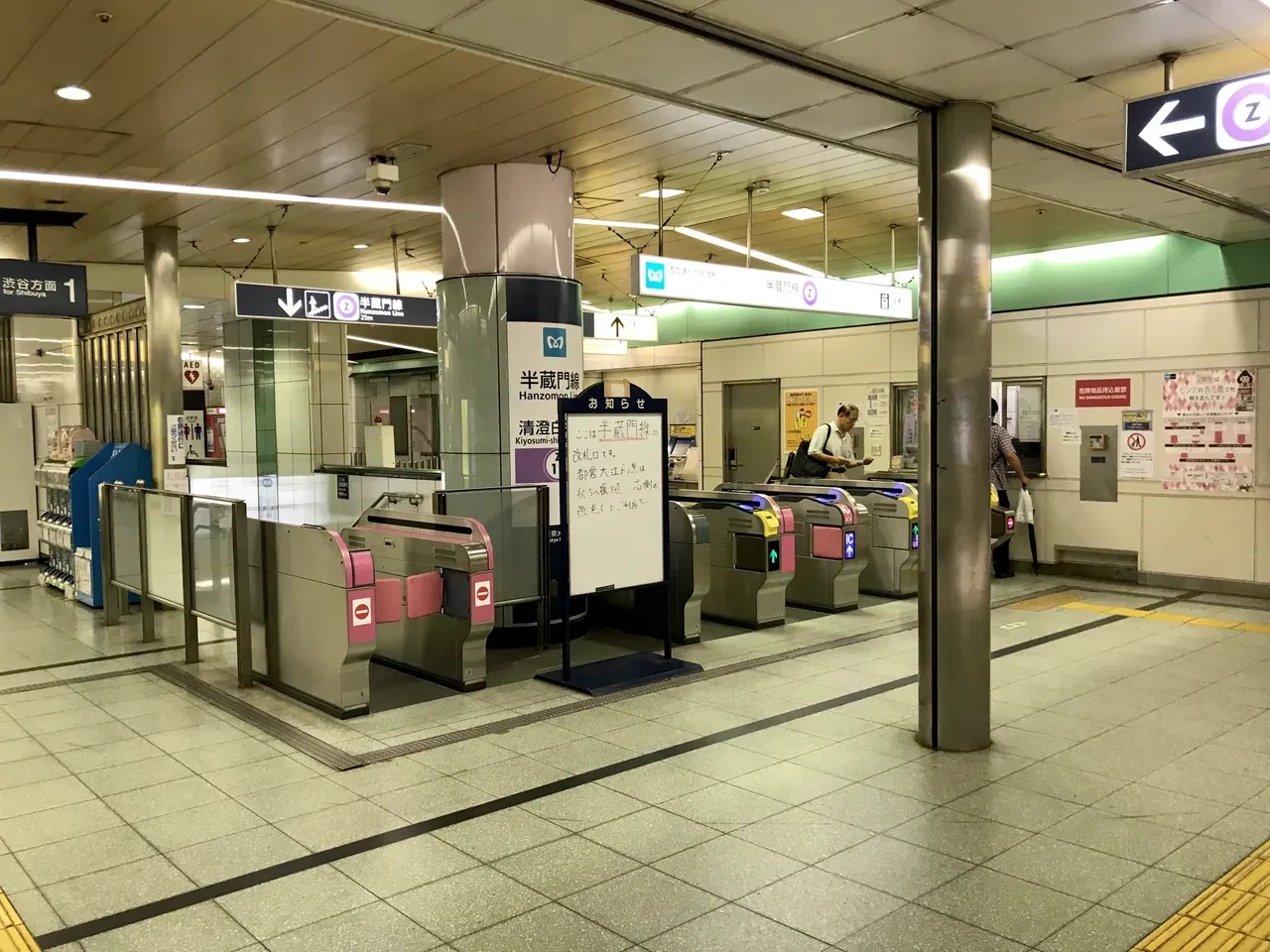
On the creative, eastern side of the city, Kiyosumi-Shirakawa pairs quiet canal-side streets with specialty coffee roasters and the Museum of Contemporary Art. It suits renters who want calm and character over neon and crowds. You can browse furnished apartments in Kiyosumi-Shirakawa close to the canals and cafes.

Kinshicho
Just east across the Sumida River, Kinshicho keeps a relaxed, local feel, with Tokyo Skytree nearby and direct trains into the centre. It works for renters who want an easy commute and everyday shops on the doorstep rather than tourist bustle. Renaissance Court Kinshicho puts you a few minutes from the metro.
Asakusa
Asakusa is old-town Tokyo, built around the Senso-ji temple and the Kaminarimon gate, with traditional shops and river views close by. It suits renters who want a strong sense of place and history at the doorstep. THE GATEHOUSE Asakusa Kaminarimon stands in the heart of it.
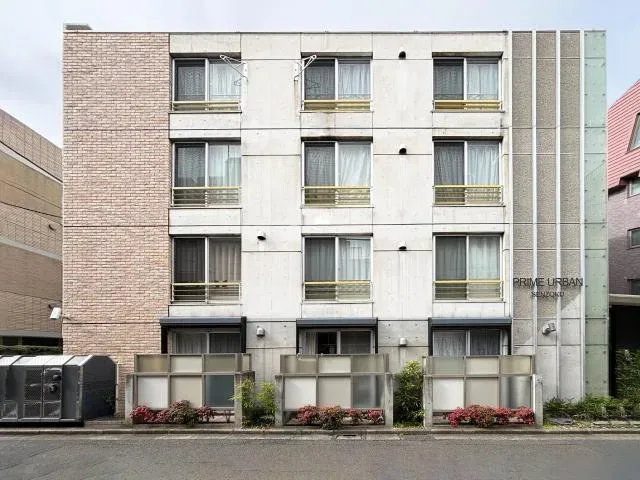
Meguro Senzoku
South of the centre, Meguro Senzoku is leafy and residential, a quieter base a short walk from the metro. It fits renters who want a calm home to return to after work. PORUST Meguro Senzoku offers exactly that setting.
Nishi-Shinjuku
Nishi-Shinjuku puts you beside one of Tokyo's biggest transport and business hubs, minutes from Shinjuku Station and its rail lines. It suits renters who commute widely or want the city switched on around them. FABRIC Nishi-Shinjuku sits in the thick of it.
Furnished vs unfurnished: which to pick
The final call comes down to how long you stay and how much friction you will absorb.
Pick furnished if you:
- Are moving for a few months up to a couple of years.
- Want a home that works from day one, with no appliance runs or utility contracts.
- Need low upfront cash, closer to one month than the four to six months rent a standard lease demands.
- Have no Japanese guarantor and want no key money.
Pick unfurnished if you:
- Are settling for several years and can amortise that four to six months upfront over time.
- Want to furnish and decorate a place to your own taste.
- Already have a guarantor and a local setup in place.
- Prefer a lower monthly rate and will handle the setup yourself.