
Key Money in Japan: What Is It and How to Avoid It


If you are moving to Japan, apartment hunting will introduce you to a few unique cultural practices. One of the most confusing and expensive hurdles for foreigners is a traditional upfront cost called "key money" or reikin.
Here is a straightforward guide to understanding key money in Japan and how you can easily avoid it.
What is Key Money?
Key money is a one-time, non-refundable payment made to a landlord when you sign a rental contract. It usually costs the equivalent of one to two months of rent. Unlike a deposit, this money is essentially a mandatory "gift" to the landlord for allowing you to rent their property. It does not cover any damages and you will not get it back when you move out.
Why Does It Exist?
The practice reportedly began after World War II during a severe housing shortage. Desperate house hunters would pay extra money to secure a place to live. Today, it feels like an outdated tradition, but it is still incredibly common. In fact, in major cities like Tokyo, around 60% of traditional rental properties still require key money.
Security Deposits vs. Key Money
It is important to note that key money is completely separate from a security deposit (shikikin). You will often be asked to pay both.
- Security Deposit: Usually equal to 1 or 2 months of rent. This is refundable at the end of your lease, minus cleaning fees and damages.
- Key Money: Non-refundable.
- Renewal Fee: Standard Japanese leases lock you in for two years. If you want to extend your stay, landlords often charge a renewal fee (koushinryo) equal to another month of rent.
How to Avoid Key Money in Japan
For expats and foreigners, these upfront costs can quickly drain your savings before you even buy furniture. Fortunately, you do not have to pay key money if you know where to look.
- Filter your search: When browsing standard real estate listings, always ask your agent to strictly filter for "no key money" apartments.
- Try to negotiate: If an apartment has been sitting empty for months or you are moving during the off-season, your real estate agent might be able to negotiate the key money down. However, this rarely works for highly desirable locations.
- Choose modern, flexible housing: The absolute best way to avoid key money is to bypass the traditional rental market entirely and choose a modern co-living space or serviced apartment.
Skip the Hassle Entirely with Cove Japan
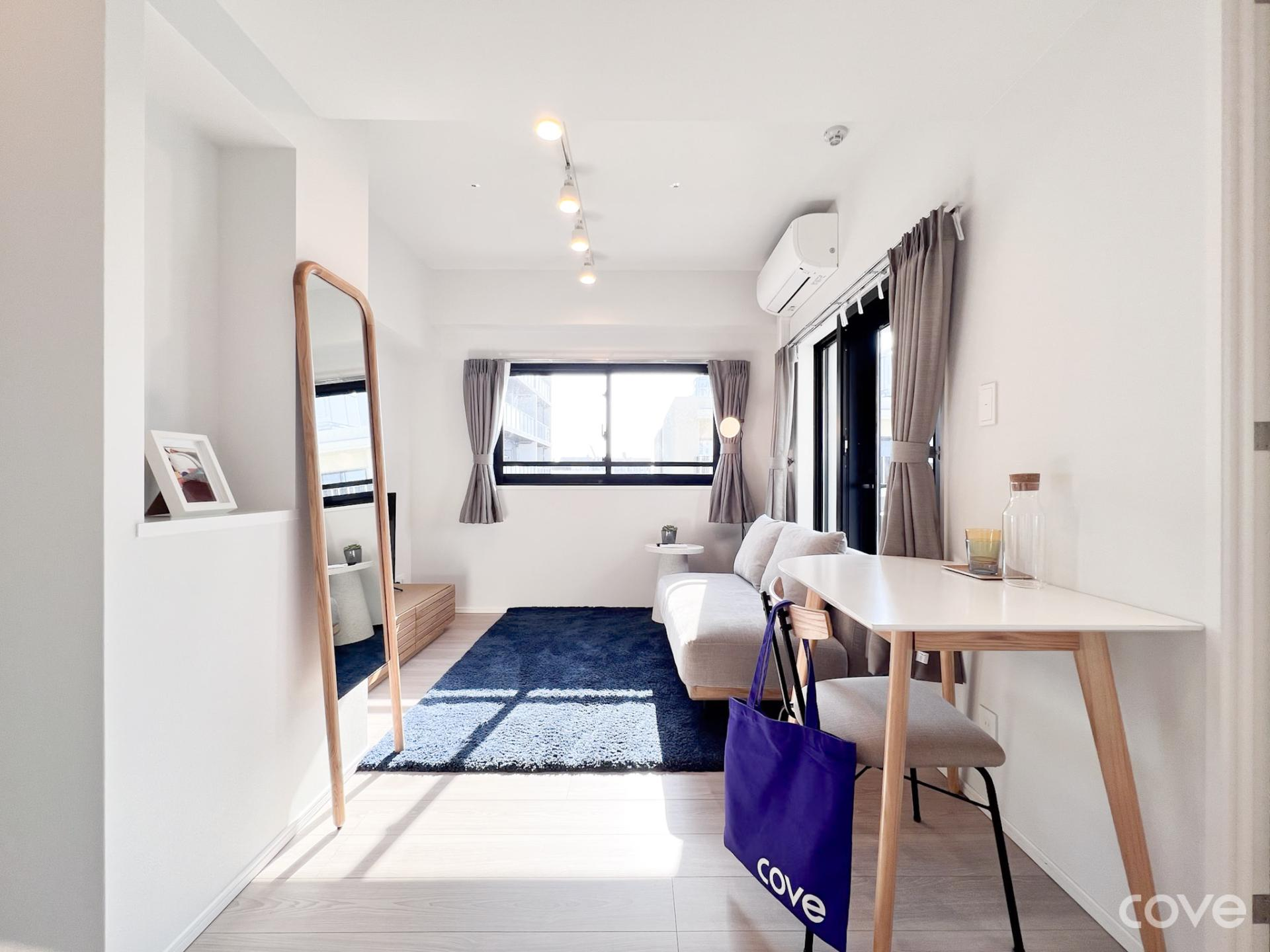
At Cove Japan, we believe that moving to Tokyo should be exciting, not stressful. We understand exactly what foreigners need, which is why we completely eliminate the outdated hurdles of Japanese apartment hunting.
When you rent a home with Cove Japan, you enjoy a seamless, modern experience:
- Zero Key Money: We do not charge reikin, meaning you keep your savings for exploring the city.
- No Guarantor Required: Finding a Japanese guarantor is notoriously difficult for foreigners. With us, you do not need one.
- Fully Furnished Homes: Skip the stress of buying appliances. Our apartments come fully furnished with modern decor, essential appliances, and high-speed Wi-Fi ready from day one.
- Flexible Contracts: We do not lock you into rigid two-year leases. You can stay for as little as one month, with zero expensive renewal fees.
- Full English Support: Our dedicated team speaks English and is ready to support you from booking to move-out.
Whether you are looking for a sleek private studio in Kinshicho or a vibrant co-living community in Yoyogi, we have a space that fits your lifestyle.
Skip the traditional fees and settle into Tokyo effortlessly. Check out our available properties at Cove Japan and find your perfect, move-in-ready home today.