
Share Houses in Japan: Everything You Need to Know Before Moving In

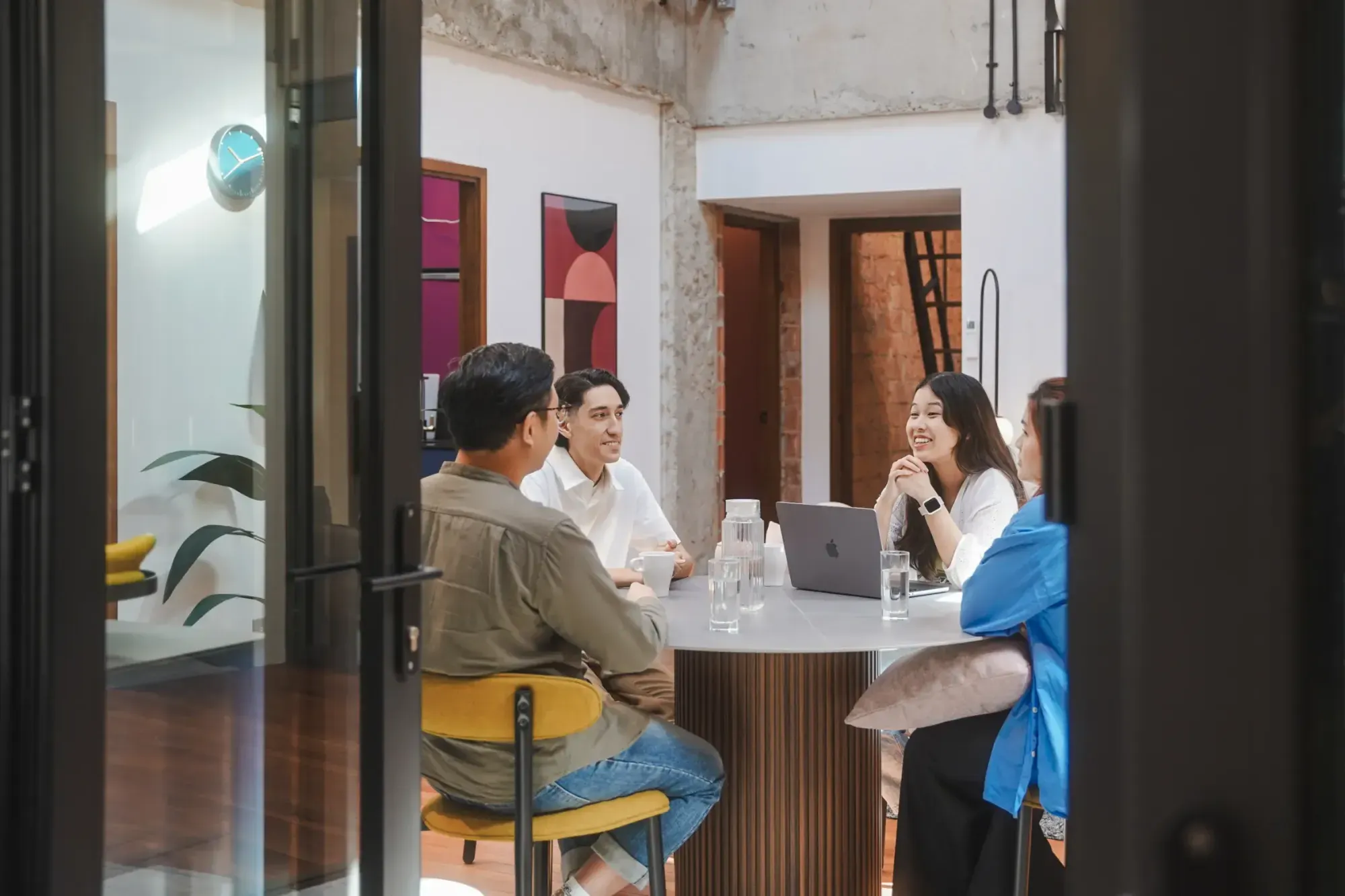
So you're moving to Japan and trying to figure out where to live. Chances are, "share house" has come up in your research more than once. But what exactly is a share house, how does it compare to renting a regular apartment, and is it actually the right fit for you?
Here's a clear, no-fluff breakdown.
What Is a Share House in Japan?
A share house is a rental property where each tenant gets their own private room, but common areas like the living room, kitchen, and bathroom are shared with other residents. Most share houses in Japan are managed by a company, though some are privately run.
It's similar in concept to co-living, but the experience and quality can vary a lot depending on the operator.
Share House vs. Regular Apartment: What's the Difference?
There are three main differences that matter most to foreigners.
1. Move-in costs
Renting a standard apartment in Japan is expensive upfront. You're typically looking at key money (reikin), a security deposit, an agent's fee, plus fire insurance. Combined, that can easily add up to 5 to 6 months' worth of rent before you even get the keys. For a 100,000 yen/month apartment, you're potentially putting down 500,000 to 600,000 yen just to move in.
Share houses cut most of that out. No key money, no agent's commission. You usually only need a small deposit (often under 30,000 yen), so you can get started for well under 100,000 yen total.
2. The guarantor problem
For regular apartments, you typically need a guarantor (rentai hoshounin) to co-sign your lease. For foreigners, this is a huge hurdle. Most people don't have a Japanese national willing to take on that responsibility.
Share houses generally don't require a guarantor, making them one of the more accessible entry points into the Japanese rental market for newcomers.
3. Contract length
Standard apartment leases are 2-year contracts. That's a big commitment, especially if you're in Japan for work, a short-term assignment, or you're still figuring out which neighborhood you want to live in. Share houses tend to offer much more flexible terms.
The Upsides of Living in a Share House
Lower costs overall
With no key money and shared utility bills, your monthly spend can be noticeably lower than a solo apartment.
It's social
If you're new to Japan and don't know many people yet, a share house can be a natural way to meet others. Many residents are internationals, students, and young professionals in the same boat as you.
Comes furnished
Most share houses include kitchen appliances, laundry machines, and basic furniture in communal areas. You can move in with just a suitcase, which is a big deal when you're relocating from abroad.
Bigger shared spaces
A typical studio apartment in Tokyo is 20 to 30m². Share houses usually have large communal living rooms and kitchens that you'd never find in a solo apartment at the same price point.
The Downsides You Should Know About
Shared bathrooms
In many share houses, toilets and showers are used by everyone. Some properties offer private bathrooms in the room itself, but those tend to cost more.
Housemate dynamics
Living with strangers means you'll encounter different schedules, habits, and cleanliness standards. Most share houses have basic communal rules, but day-to-day friction is a real thing. What feels normal to you might not feel normal to your housemates, and vice versa.
Less privacy
This one's obvious, but worth saying. If you need quiet space to focus or decompress, a shared common area may not always give you that.
Variable quality
Not all share houses are well-maintained. Management quality, cleanliness, and community atmosphere can differ enormously between properties.
Co-Living with Cove Japan
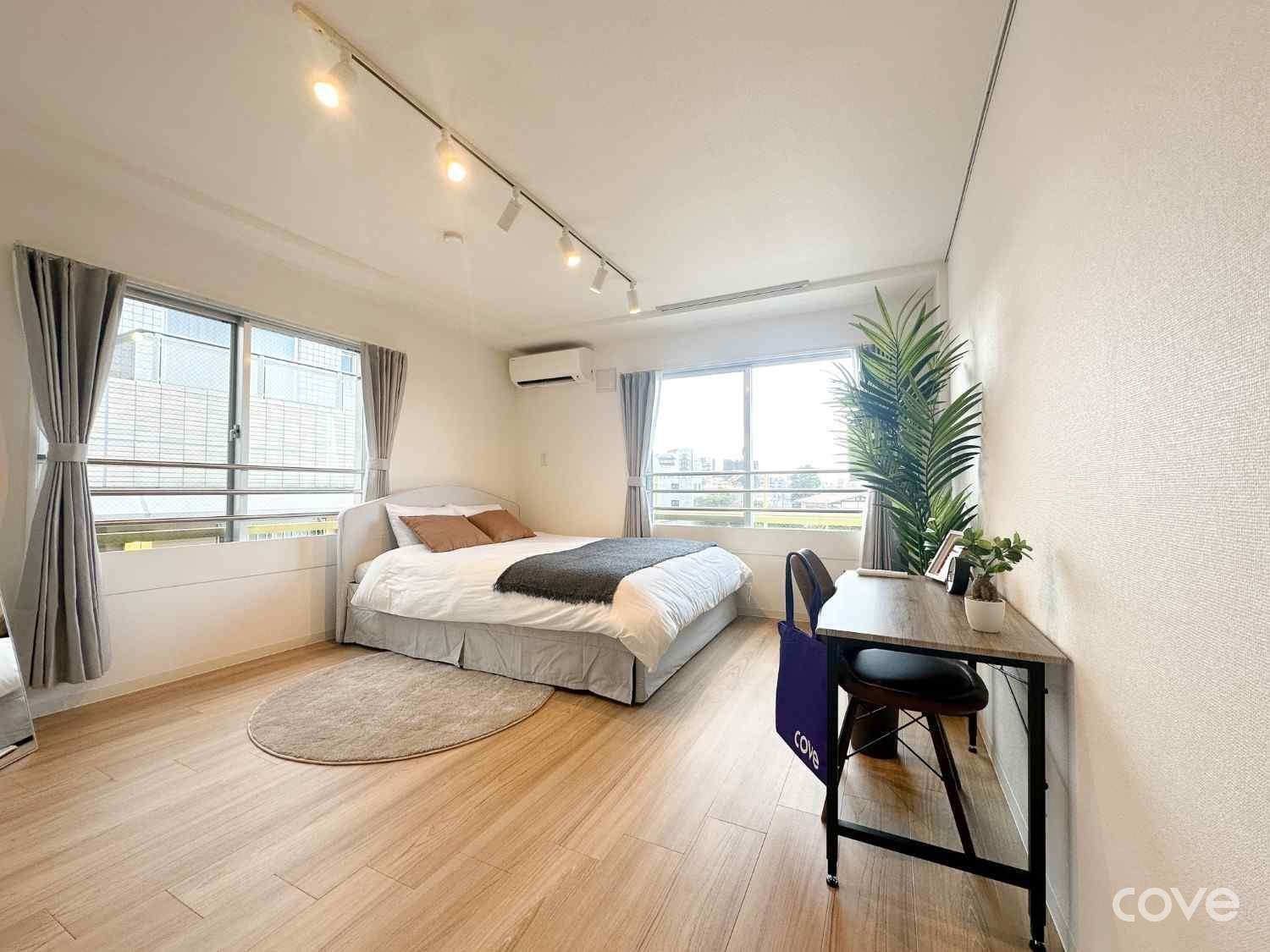
If the share house concept appeals to you but you want more privacy, better quality, and less of the unpredictability, Cove Japan is worth a look.
Cove offers fully furnished, move-in-ready apartments across Tokyo, designed specifically for internationals and modern urban residents. You get a private room or studio with everything set up, English-speaking support, flexible contract terms, and no guarantor or key money required.
It keeps what's good about share houses (low friction to move in, furnished spaces, community) and removes the main pain points (shared bathrooms, housemate conflicts, inconsistent management).
Properties are located in neighborhoods like Kinshicho, Kiyosumi-Shirakawa, Komaba, and Yoyogi, all well-connected to the rest of Tokyo.
Browse available rooms at covejapan.com.