
Best Places to Live in Tokyo for Foreigners (2026 Guide)

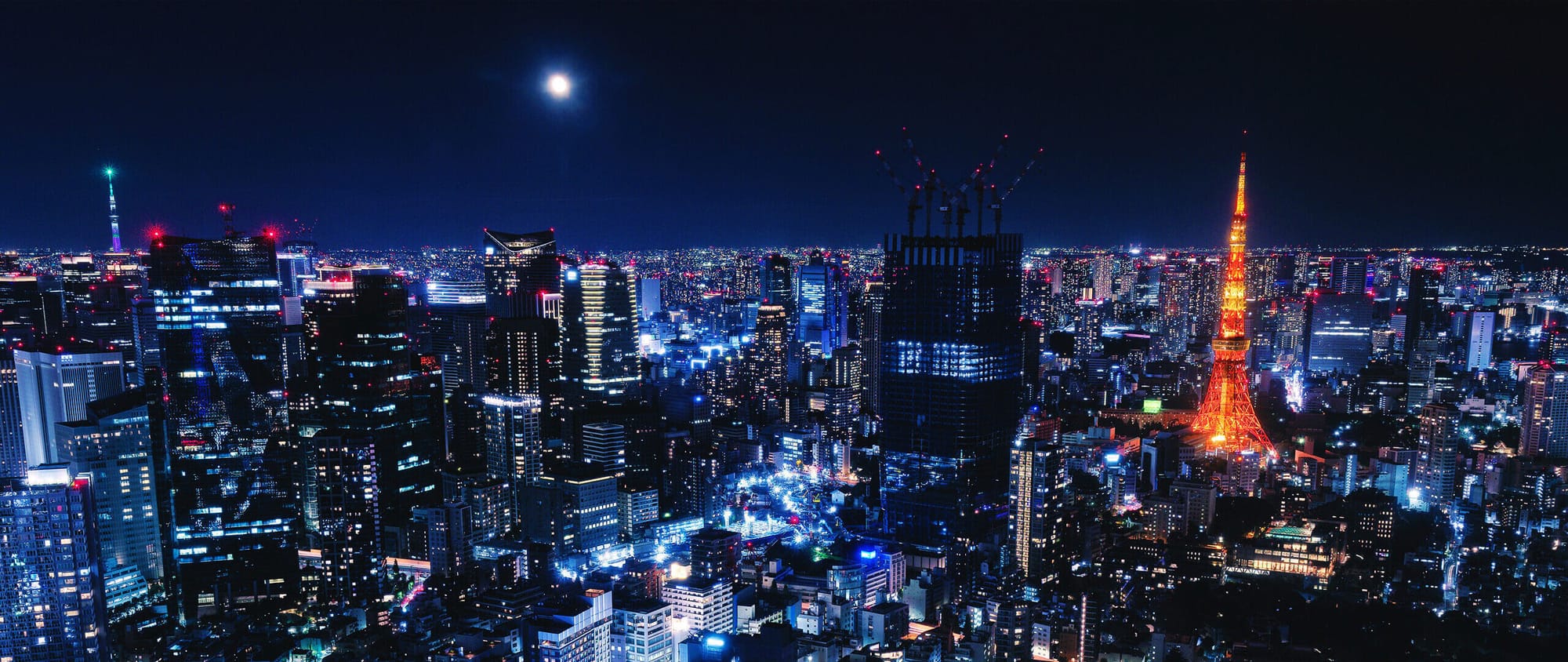
Most Tokyo neighborhood guides are written for tourists deciding where to book a hotel. This guide is for foreigners who are actually moving to Tokyo and need to decide where to live. Every neighborhood below is evaluated on what matters for daily life: commute times, affordability, and how the area feels on a regular Tuesday evening.
How to choose a neighborhood in Tokyo
Three questions will narrow your options fast.
What is your monthly rent budget?
Central areas like Shibuya and Roppongi start above ¥100,000 for a 1K apartment. Mid-range neighborhoods like Asakusa and Kiyosumi-Shirakawa sit between ¥70,000 and ¥100,000. Affordable areas like Koenji and Shimokitazawa can be found under ¥80,000.
Where will you commute to?
Tokyo's train system is fast but massive. Check which train lines serve your workplace and work backward from there.
What lifestyle do you want?
Some neighborhoods are loud and full of nightlife. Others are quiet, residential, and green. It depends entirely on what you need.
Should foreigners in Tokyo live on the Yamanote Line?
The Yamanote Line is Tokyo's famous loop connecting Shinjuku, Shibuya, and Tokyo Station. Many foreigners insist on living on it, but the Yamanote is slow (it stops everywhere) and expensive to live near. Areas one or two stops outside the loop on express-capable lines are often cheaper and equally well-connected. Shimokitazawa reaches Shibuya in 4 minutes by express. Koenji reaches Shinjuku in 8 minutes on the Chuo Line. In Tokyo, express train access matters more than raw distance.
Central and popular neighborhoods in Tokyo
Shibuya
Shibuya is one of Tokyo's biggest transportation hubs and a center for food, shopping, and nightlife. Shibuya Station's surroundings are loud and crowded, but a 10-minute walk toward Yoyogi reveals quiet residential streets and tree-lined paths near Yoyogi Park.
Shibuya is well-suited for young professionals who want strong coworking access and diverse dining. Multiple coworking spaces and wifi-friendly cafes operate within walking distance. Supermarkets include Life and Tokyu Store, and English-speaking clinics are available in the area. The main train connections are JR Yamanote, Ginza Line, Hanzomon Line, Fukutoshin Line, and several private railways.
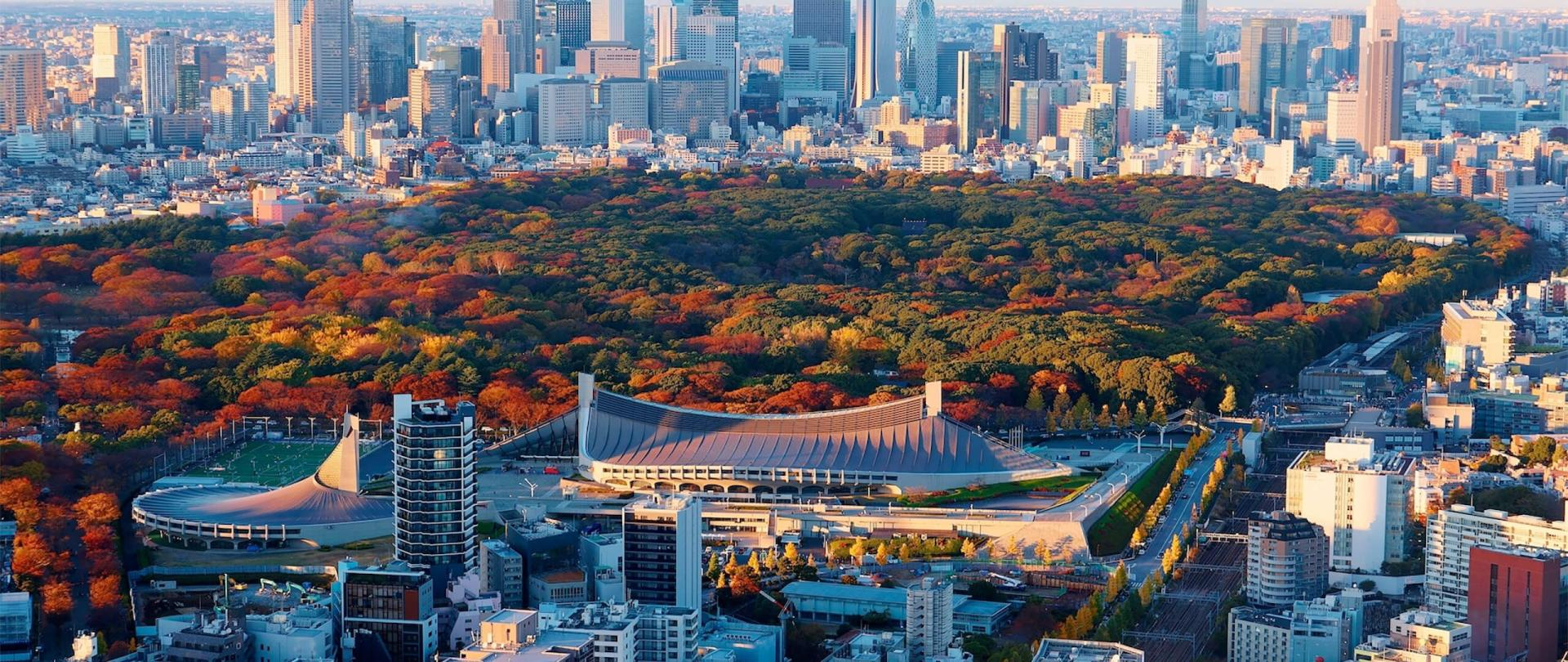
Shibuya's main trade-off is cost. Rent near Shibuya Station is among the highest in Tokyo. Moving slightly toward Yoyogi or Tomigaya helps with both price and noise.
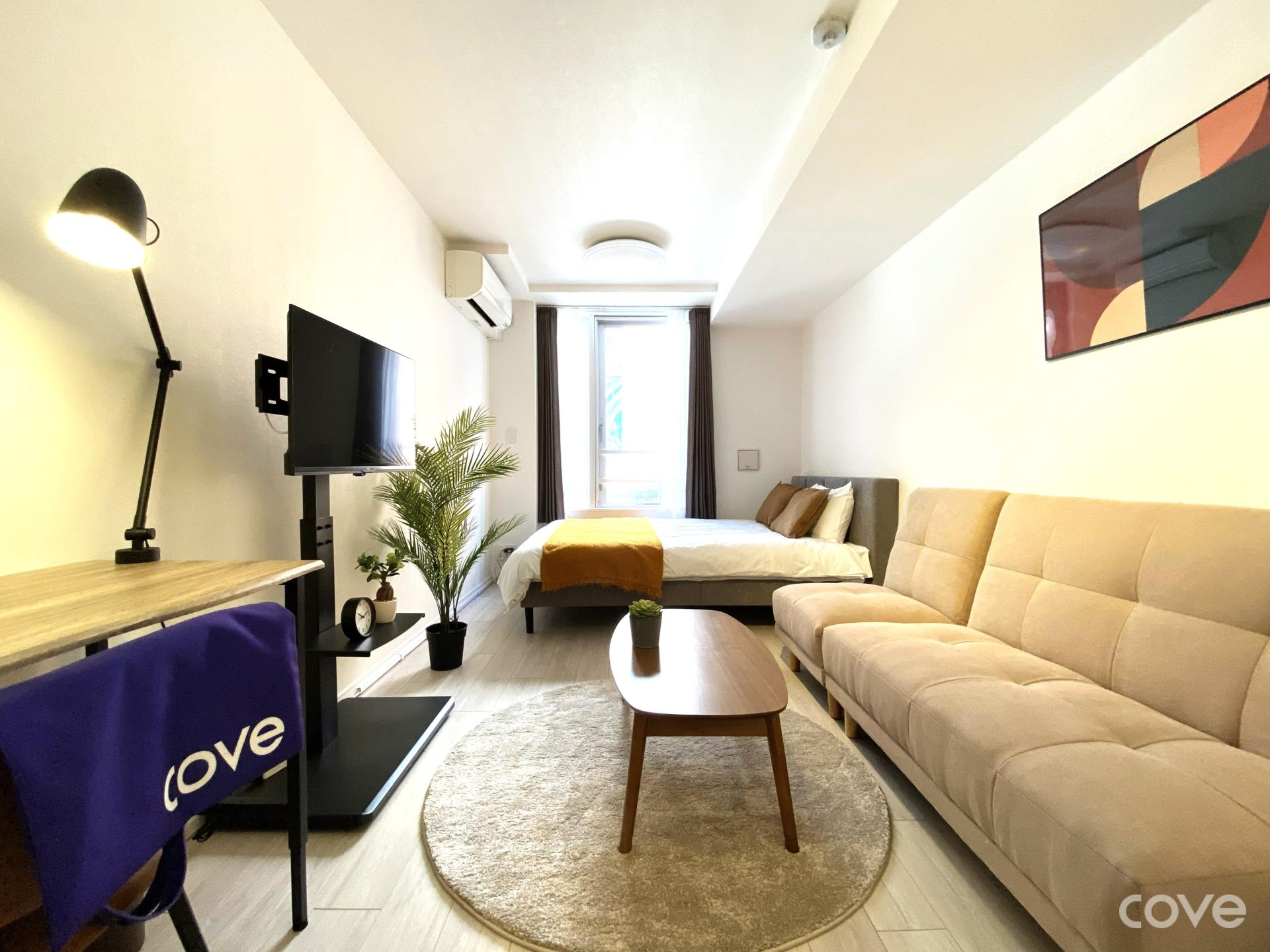
Cove has a furnished apartment property in Yoyogi, within walking distance of Yoyogi Park and Shibuya Station.
Roppongi
Roppongi is the center of Tokyo's international expat community. Multiple embassies are in the area, English-speaking services are widely available, and international supermarkets like National Azabu carry imported products that are hard to find elsewhere.
Roppongi is known for nightlife, but the nearby residential streets of Azabu-Juban and Hiroo are quiet, leafy, and home to many long-term foreign residents. International schools including Nishimachi and The British School in Tokyo are nearby. Roppongi is served by the Hibiya Line, Oedo Line, and Namboku Line.
Roppongi is among Tokyo's most expensive neighborhoods. Roppongi is best suited for foreigners on corporate housing packages.
Nakameguro
Nakameguro is one of the most desirable residential neighborhoods in Tokyo for both locals and foreigners. Nakameguro is known for the Meguro River canal walk, independent coffee shops, and boutique restaurants.
Neighboring Ebisu, one stop away on the Yamanote Line, has a strong food and bar scene and feels more local than Shibuya. Nakameguro attracts creative professionals and tech workers, and expat forums consistently recommend Nakameguro for quality of daily life. Several supermarkets including Peacock and Tokyu Store serve the area. Nakameguro in particular has a strong cafe-work culture that suits remote workers.
Shinagawa
Shinagawa is one of the most convenient Tokyo neighborhoods for foreigners who travel frequently. Shinagawa Station sits on both the Yamanote Line and the Tokaido Shinkansen, meaning Osaka is 2.5 hours away and Yokohama is 15 minutes. Haneda Airport is about 15 minutes by Keikyu Line.
Shinagawa's Konan exit area is lined with modern apartment towers popular with young professionals. Aeon and Queen's Isetan supermarkets are near the station. Shinagawa lacks the charm of Nakameguro, but for people who travel frequently or commute south, Shinagawa is hard to beat for pure convenience.
Mid-range neighborhoods in Tokyo for foreigners
Asakusa
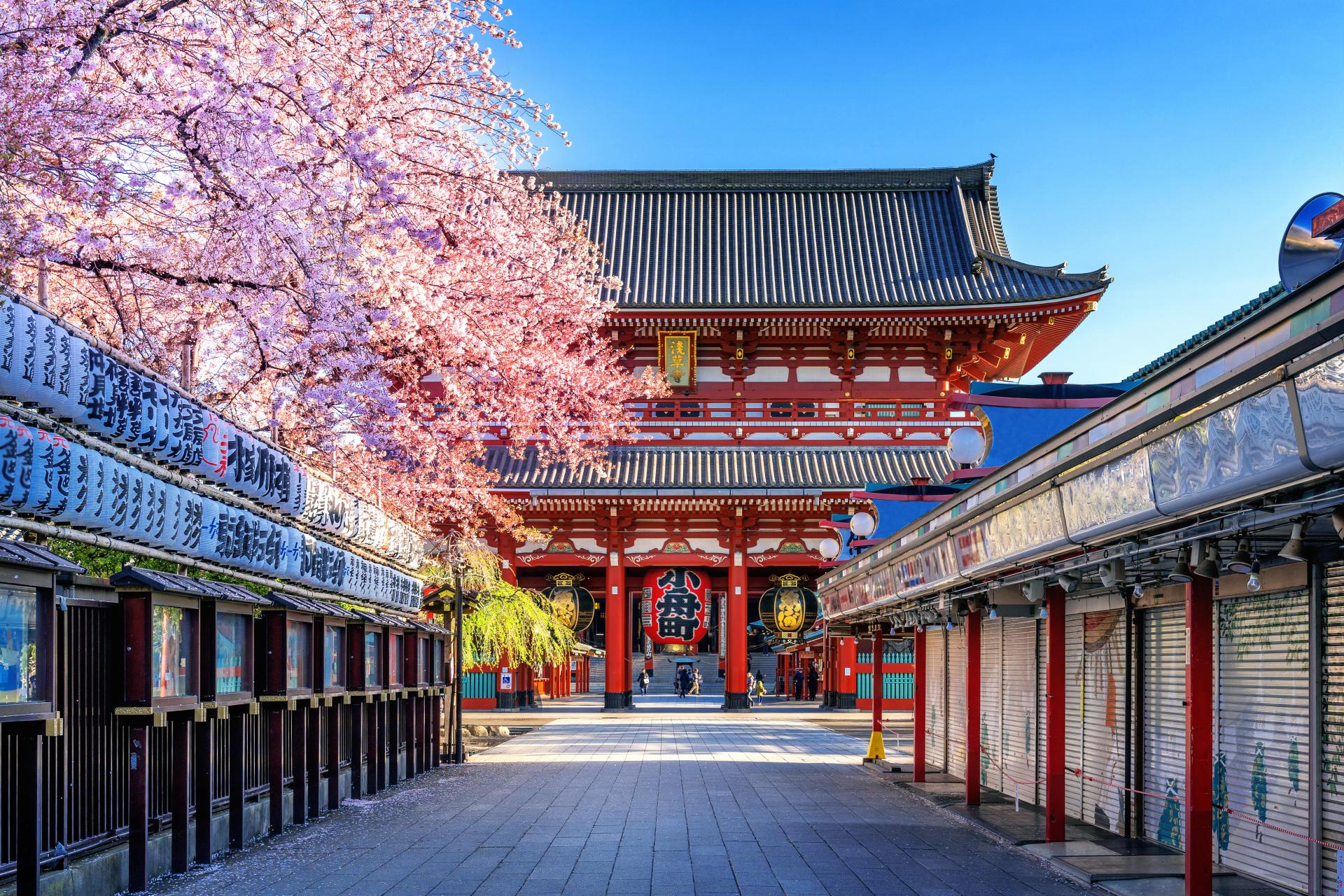
Asakusa is one of Tokyo's most historic and affordable central neighborhoods. Asakusa is centered around the Senso-ji temple complex and has a strong traditional character with local izakayas, street food stalls, and the Nakamise shopping street. Nearby Okachimachi, a short walk south, sits next to the Ameyoko market.
Asakusa is better-connected than most foreigners expect. Asakusa is served by the Ginza Line, Toei Asakusa Line, and Tsukuba Express. Okachimachi adds JR Yamanote and Hibiya Line access. English services are less common than in Shibuya, but Asakusa is welcoming to foreigners. Several newer cafes and small coworking spaces have opened in the Kuramae and Asakusa area in recent years, making the east side of Tokyo increasingly viable for remote workers.
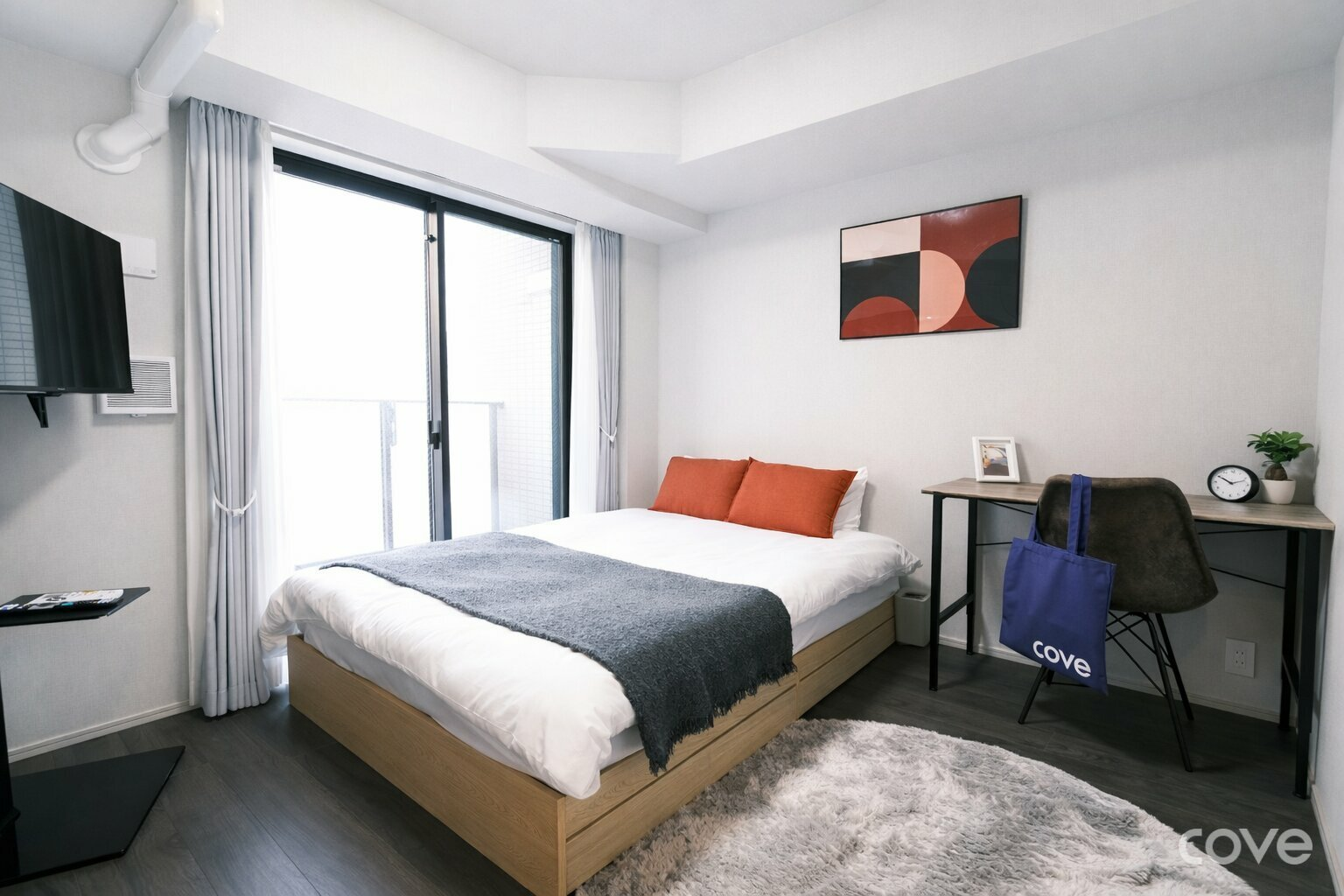
Cove has furnished apartment properties in both Asakusa and Okachimachi.
Kiyosumi-Shirakawa
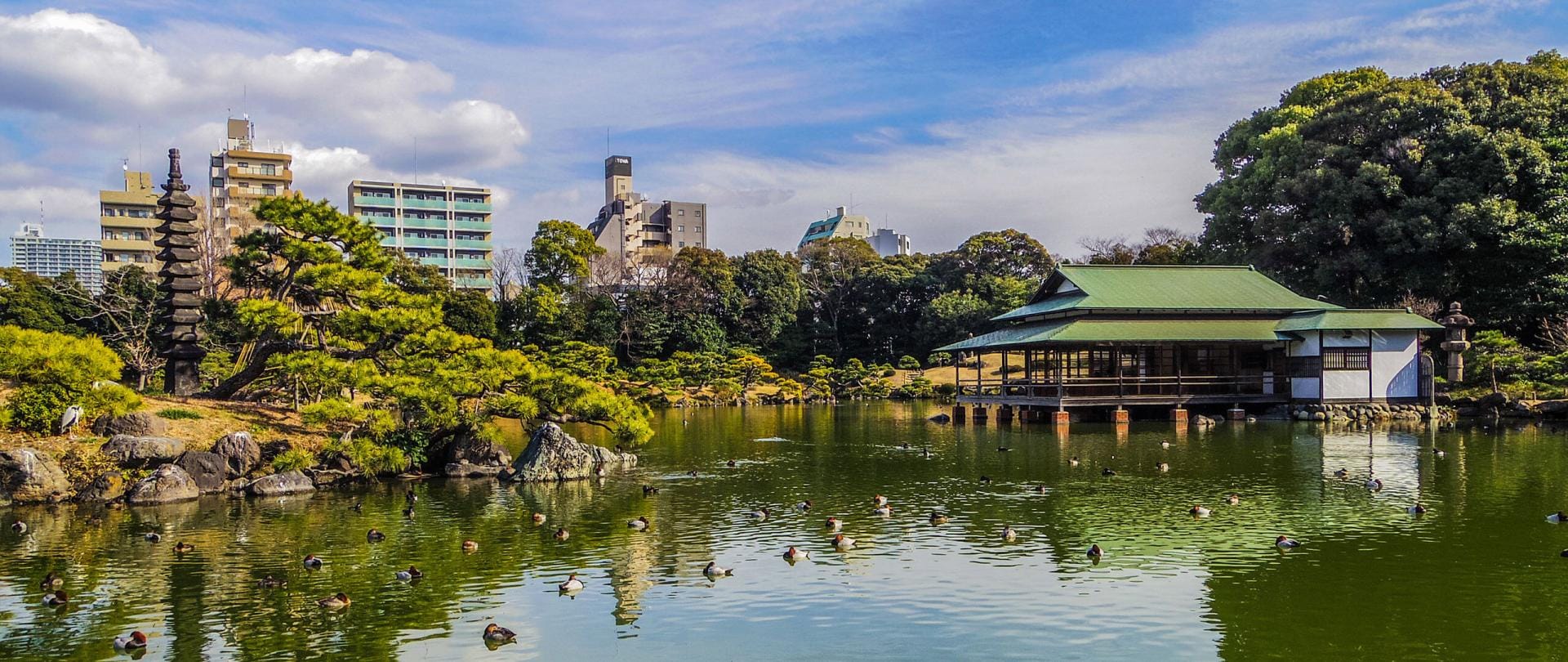
Kiyosumi-Shirakawa is one of Tokyo's best-kept secrets for long-term living. The neighborhood sits in Koto-ku on the east side of central Tokyo, served by both the Hanzomon Line and the Oedo Line. Tokyo Station is about 12 minutes away. Shibuya is about 20 minutes.
Kiyosumi-Shirakawa has become known for its specialty coffee culture, with roasters like Blue Bottle Coffee and Allpress Espresso establishing early Tokyo locations here. Kiyosumi Gardens, the Tokyo Museum of Contemporary Art, and quiet canal-side streets give Kiyosumi-Shirakawa a calm, almost European feel. Reddit's r/movingtojapan community specifically highlights Kiyosumi-Shirakawa as a neighborhood that "flies under the radar," praising its mix of modern and traditional elements.
Kiyosumi-Shirakawa is ideal for remote workers and creatives who want a peaceful home base with good transport access. The specialty coffee scene means there are plenty of cafe-work options, and the quiet residential atmosphere makes working from home pleasant.
Cove has a furnished apartment property in Kiyosumi.
Kinshicho
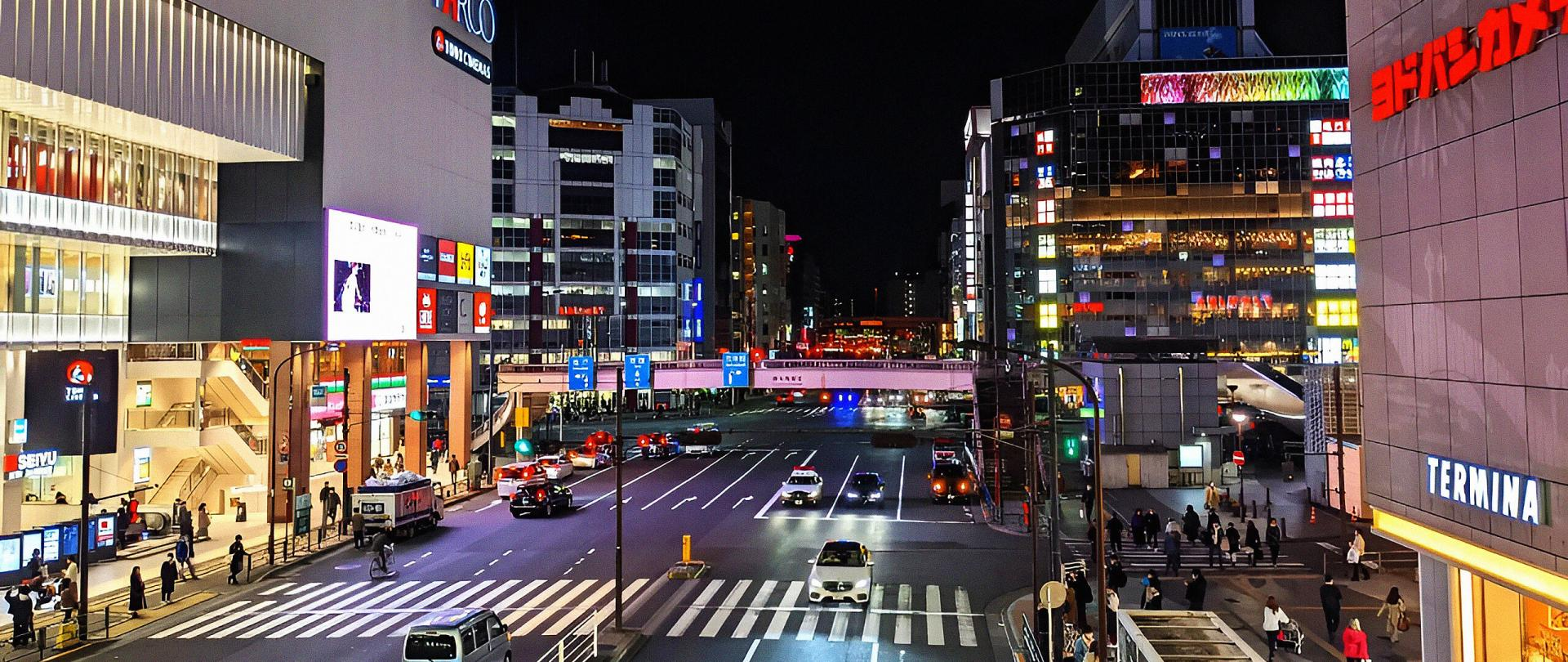
Kinshicho is one of Tokyo's most underrated neighborhoods for foreigners looking for affordability and connectivity. The station serves both the JR Sobu Line and the Hanzomon Line, putting Tokyo Station about 10 minutes away and Shinjuku about 20 minutes.
Kinshicho is not a trendy neighborhood. Kinshicho has a working-class character with budget restaurants, local izakayas, and a straightforward feel. What Kinshicho lacks in polish, it makes up for in practicality: excellent transport, well-stocked supermarkets including Life and Ozeki, and the Olinas shopping mall. Kinshicho is best suited for budget-conscious professionals who care more about commute time and value than neighborhood aesthetics.
Cove has a furnished apartment property in Kinshicho.
Affordable neighborhoods in Tokyo for foreigners
Shimokitazawa
Shimokitazawa is Tokyo's creative and alternative heart. Shimokitazawa is packed with vintage clothing shops, independent theaters, live music venues, and some of the best affordable food in the city. Shimokitazawa has a young, non-corporate energy unlike almost anywhere else in Tokyo.
Shimokitazawa's Odakyu express reaches Shibuya in 4 minutes and Shinjuku in 8 minutes. Shimokitazawa's combination of excellent access and affordable rent makes it one of the most popular neighborhoods for younger foreigners. Shimokitazawa's main downside is crowding. The streets are almost always busy, especially on weekends.
Koenji
Koenji sits on the JR Chuo Line, four stops west of Shinjuku. The express train reaches Shinjuku Station in 8 minutes. Despite this proximity, rent in Koenji is dramatically lower than in Shinjuku or Shibuya.
Koenji has a strong neighborhood identity built around vintage shops, alternative music venues, cheap izakayas, and a genuinely local character. Nearby Nishi-Ogikubo, a few stops further on the same line, offers a similar feel with excellent small bars and restaurants. Koenji is highlighted by expat residents and Reddit communities as one of the best-value areas to live in Tokyo. Koenji is best suited for budget-conscious foreigners who want to live like a local rather than in an expat bubble.
Senzoku
Senzoku is a quiet, residential neighborhood in Ota-ku served by the Tokyu Ikegami Line, connecting to Gotanda in about 10 minutes. From Gotanda, the Yamanote Line links to central Tokyo.
Senzoku offers something rare in Tokyo: genuine tranquility at an affordable price. Senzoku's streets are lined with small houses, local shops, and green spaces. Senzoku has no nightlife scene, but that is exactly the point for many residents. The quiet atmosphere also makes Senzoku excellent for working from home. Senzoku is best suited for families, couples, and anyone who values space and peace over proximity to nightlife.
Cove has a furnished apartment property in Senzoku.
Tokyo neighborhood comparison for foreigners
| Neighborhood | Nearest Hub | Commute |
|---|---|---|
| Shibuya | Shibuya | 0 min |
| Roppongi | Roppongi | 0 min |
| Nakameguro | Shibuya | 5 min |
| Shinagawa | Shinagawa | 0 min |
| Asakusa | Ueno | 5 min |
| Kiyosumi-Shirakawa | Tokyo Station | 12 min |
| Kinshicho | Tokyo Station | 10 min |
| Shimokitazawa | Shibuya | 4 min |
| Koenji | Shinjuku | 8 min |
| Senzoku | Gotanda | 10 min |
How to rent an apartment in Tokyo as a foreigner
Finding the right neighborhood is only the first step. Most landlords in Tokyo require a residence card (zairyu card), a guarantor or guarantor company, and upfront fees including key money and a security deposit. For details on these costs, see our guide to key money in Japan and our explanation of guarantee companies. The full step-by-step process is covered in our guide to renting an apartment in Japan as a foreigner.
Renting in Tokyo without a residence card
Most apartments in Tokyo require a residence card to sign a lease, but foreigners arriving in Japan need an address before they can obtain a residence card. Digital nomad visa holders face an even bigger challenge because Japan's digital nomad visa does not come with a residence card at all.
Furnished apartments with flexible lease terms solve this problem. Cove's foreigner-friendly apartments in Tokyo accept tenants without a residence card, requiring only a valid passport, visa, and proof of employment or enrollment. Cove requires no key money, no guarantor, and no Japanese bank account.
For more on the digital nomad visa and housing, see our guide to Japan's digital nomad visa.
Frequently asked questions about living in Tokyo
What is the safest area in Tokyo for foreigners?
Tokyo is one of the safest major cities in the world, and virtually all neighborhoods are safe by international standards. There is no area in Tokyo that foreigners need to avoid for safety reasons.
Can foreigners rent an apartment in Tokyo without speaking Japanese?
Foreigners can rent an apartment in Tokyo without speaking Japanese, but options are more limited. International agencies, foreigner-friendly platforms, and furnished apartment providers like Cove operate fully in English. Standard Japanese landlords typically require Japanese communication or a Japanese-speaking intermediary.
Which Tokyo neighborhood is best for remote workers?
Kiyosumi-Shirakawa and Nakameguro are two of the best Tokyo neighborhoods for remote workers. Both have strong cafe cultures, quiet residential atmospheres, and good transport access. Shibuya also has a high concentration of dedicated coworking spaces.
Can foreigners rent an apartment in Tokyo without a residence card?
Most traditional landlords in Tokyo require a residence card to sign a lease. Furnished apartment providers like Cove accept tenants without a residence card, making furnished apartments the primary housing option for digital nomad visa holders and new arrivals who have not yet completed ward office registration.
Do foreigners need a guarantor to rent in Tokyo?
Most landlords in Tokyo require either a personal guarantor or a guarantor company (hoshou gaisha). Furnished apartment & share house providers like Cove do not require a guarantor. For details, see our guide to guarantee companies in Japan.
What is the average rent in Tokyo for a one-bedroom apartment?
Average rent for a 1K apartment in Tokyo varies significantly by neighborhood. Central areas like Shibuya and Roppongi typically range from ¥100,000 to ¥180,000 per month. Mid-range areas like Asakusa and Kiyosumi-Shirakawa range from ¥70,000 to ¥100,000. Affordable areas like Koenji and Shimokitazawa can be found for ¥55,000 to ¥85,000.