
Japan Digital Nomad Visa: The Complete Guide for Remote Workers (2026)

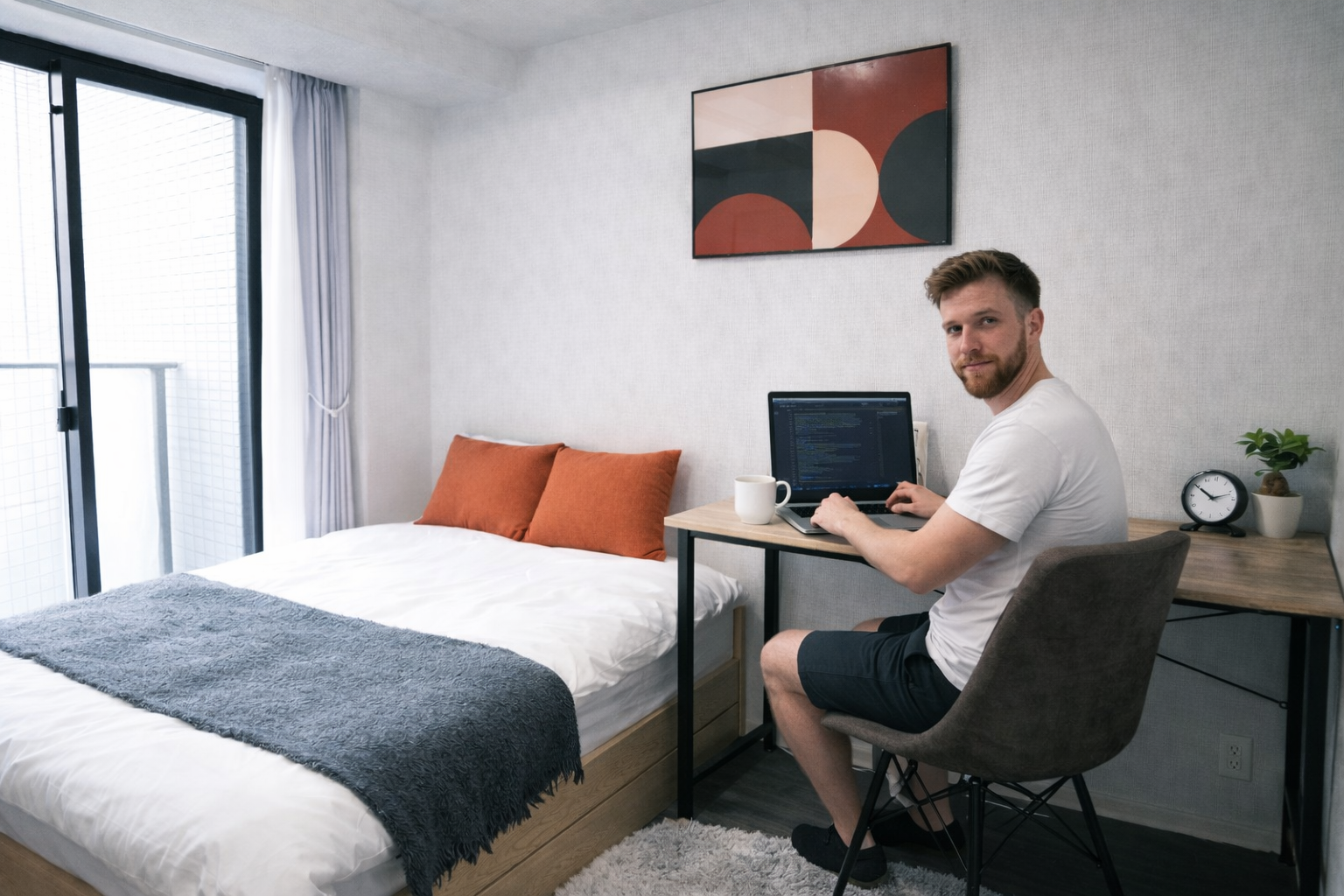
Japan's digital nomad visa allows remote workers to live in Japan for up to six months while working for employers or clients based outside the country. Officially called the "Specified Visa: Designated Activities," it launched in March 2024. Applicants must earn at least ¥10 million per year (roughly $65,000 USD) and hold citizenship from one of 49 eligible countries.
Japan's digital nomad visa is not a work visa. Holders cannot be employed by a Japanese company. They also do not receive a residence card (在留カード), which means they cannot open a Japanese bank account, sign a standard apartment lease, or enroll in national health insurance. These limitations create real practical challenges, especially around housing and banking.
This guide covers eligibility, the application process, and the practical realities of living in Japan on the digital nomad visa, based on government sources, community experiences, and what we see firsthand as a housing operator working with digital nomads in Tokyo.
Who is eligible for Japan's digital nomad visa?
Japan's digital nomad visa has five main eligibility requirements:
- Income. The minimum income requirement is ¥10 million per year (roughly $65,000 USD). This makes Japan's digital nomad visa one of the most expensive to qualify for globally. Acceptable proof includes tax certificates, employment contracts, or business contracts that clearly state the contract period and amount.
- Nationality. Only citizens from 49 eligible countries or regions can apply. These are countries that have both tax treaties and visa exemption agreements with Japan. Eligible countries include the US, Canada, the UK, Germany, France, Australia, New Zealand, Singapore, and Hong Kong.
- Insurance. Applicants must hold private health insurance with coverage of at least ¥10 million for injury, illness, and death. Japan's national health insurance does not cover digital nomad visa holders. This private insurance is your only medical coverage during your stay.
- Remote employment. All income must come from employers or clients based outside Japan. Freelancers earning from foreign clients qualify. Employment by a Japanese company is not permitted under this visa.
- Family. Spouses and children can accompany the primary visa holder. Each family member needs a separate visa application, proof of relationship (marriage certificate or birth certificate), and insurance coverage. Family members can be covered under the primary applicant's policy if it includes family coverage.
Required documents for Japan's digital nomad visa
The Japan digital nomad visa application requires six main documents.
- Visa application form. Completed and signed, with a recent passport-sized photo. This is a standard form available from your local Japanese embassy or consulate.
- Valid passport. Must have at least six months of remaining validity and two blank visa pages.
- Certificate of Eligibility (COE). Issued by a regional immigration bureau in Japan. This is optional, but having a COE speeds up processing. If you present a COE, you can skip submitting income proof and insurance documents with your visa application.
- Planned activities form. A document outlining your work activities and intended duration of stay in Japan. Download the form (Word) from the Immigration Services Agency.
- Proof of income. Tax payment certificate, income certificate, or employment/business contract. Must clearly show annual income of ¥10 million or more.
- Proof of insurance. Copy of your insurance certificate and policy summary. Coverage must be at least ¥10 million for medical treatment related to injury or illness.
One common point of confusion: the application form asks for your "address in Japan" and "phone number in Japan" before you have either. Based on reports from early applicants, you can use your booked accommodation address here. For the phone number, note that you plan to acquire a local number after arrival.
How to apply for Japan's digital nomad visa
The Japan digital nomad visa is applied for at a Japanese embassy or consulate in your home country. The process takes seven steps.
- Confirm your eligibility. Check your income, nationality, and insurance coverage against the requirements above. The income threshold alone disqualifies many applicants.
- Plan your timeline. There is no official processing timeline published by the government. Based on community reports, processing takes roughly four to eight weeks from submission. Some applicants have reported longer waits. Start the process at least two to three months before your intended arrival date.
- Gather your documents. Collect everything listed in the table above. If you are applying for a Certificate of Eligibility first, factor in additional processing time through the Immigration Services Agency.
- Book accommodation. You will need a confirmed address in Japan for your application. Immigration may check your accommodation documentation. Book at least your first month before submitting.
- Submit at your local Japanese embassy or consulate. Applications are submitted in person at the Japanese embassy or consulate in your home country. Check their website for appointment requirements.
- Wait for approval. Processing takes four to eight weeks on average. You will receive an email or notification when your visa is approved.
- Arrive in Japan. Your visa is valid for a single entry. If you leave Japan during your six-month stay, you will need to apply for a re-entry permit or reapply for a new visa.
What you can and cannot do on Japan's digital nomad visa
Japan's digital nomad visa permits remote work for foreign employers, free travel within Japan, and bringing spouse and children.
Japan's digital nomad visa does not permit employment with Japanese companies, stays beyond six months, or extensions of any kind. Holders do not receive a residence card, cannot enroll in Japan's national health insurance, and cannot open a Japanese bank account.
The absence of a residence card is the most impactful limitation. It affects housing, banking, phone contracts, and everyday services in ways that most applicants do not anticipate before arriving.
Living in Japan without a residence card (and how to work around it)
Digital nomad visa holders in Japan do not receive a residence card (在留カード, zairyuu kaado). Without a residence card, they are not considered residents of Japan. This creates four main challenges:
- Housing. Most Japanese landlords require a residence card to sign a lease. Digital nomad visa holders cannot rent regular apartments through standard channels. Serviced apartments, share houses, and furnished monthly rentals are the main alternatives.
- Banking. Japanese banks require a residence card to open an account. Digital nomad visa holders should use international services like Wise or Revolut instead. Cash is still widely used in Japan, especially at smaller shops and restaurants outside major cities.
- Phone. Standard Japanese phone contracts require a residence card. Digital nomad visa holders should purchase an eSIM before arriving. Providers like Ubigi and Mobal do not require a Japanese address or residence card. Airport kiosks also sell prepaid SIM cards on arrival.
- Contracts. Gym memberships, subscription services, and other agreements that require resident ID are generally not available to digital nomad visa holders.
These workarounds are manageable with advance planning. Housing is the most critical to solve before arriving, since immigration may check your accommodation documentation during the visa application.
Where to live in Japan on a digital nomad visa
Once you’ve sorted accommodation, the neighborhood you choose matters too.
Digital nomad visa holders in Japan cannot rent regular apartments because most landlords require a residence card. The three main housing options are serviced apartments, share houses, and Airbnb.
- Serviced or furnished apartments are the most common choice for stays of one to six months. They come fully furnished with utilities included, accept passport-based identification, and do not require a guarantor (保証人, hoshounin) or residence card. Monthly rent for a serviced apartment in Tokyo ranges from ¥80,000 to ¥180,000 depending on area and unit type.
- Share houses offer a private room with shared kitchen, bathroom, and common areas. Many share house operators in Japan specifically accept foreign tenants without a residence card. Monthly rent for a share house in Tokyo ranges from ¥50,000 to ¥100,000. The trade-off is less privacy and shared living spaces.
- Airbnb and short-term rentals are the most flexible but least predictable option. Monthly costs for Airbnb in central Tokyo range from ¥150,000 to ¥250,000. Quality varies significantly for longer stays. Airbnb hosts in Japan are subject to a 180-day annual operating cap, which can limit availability.
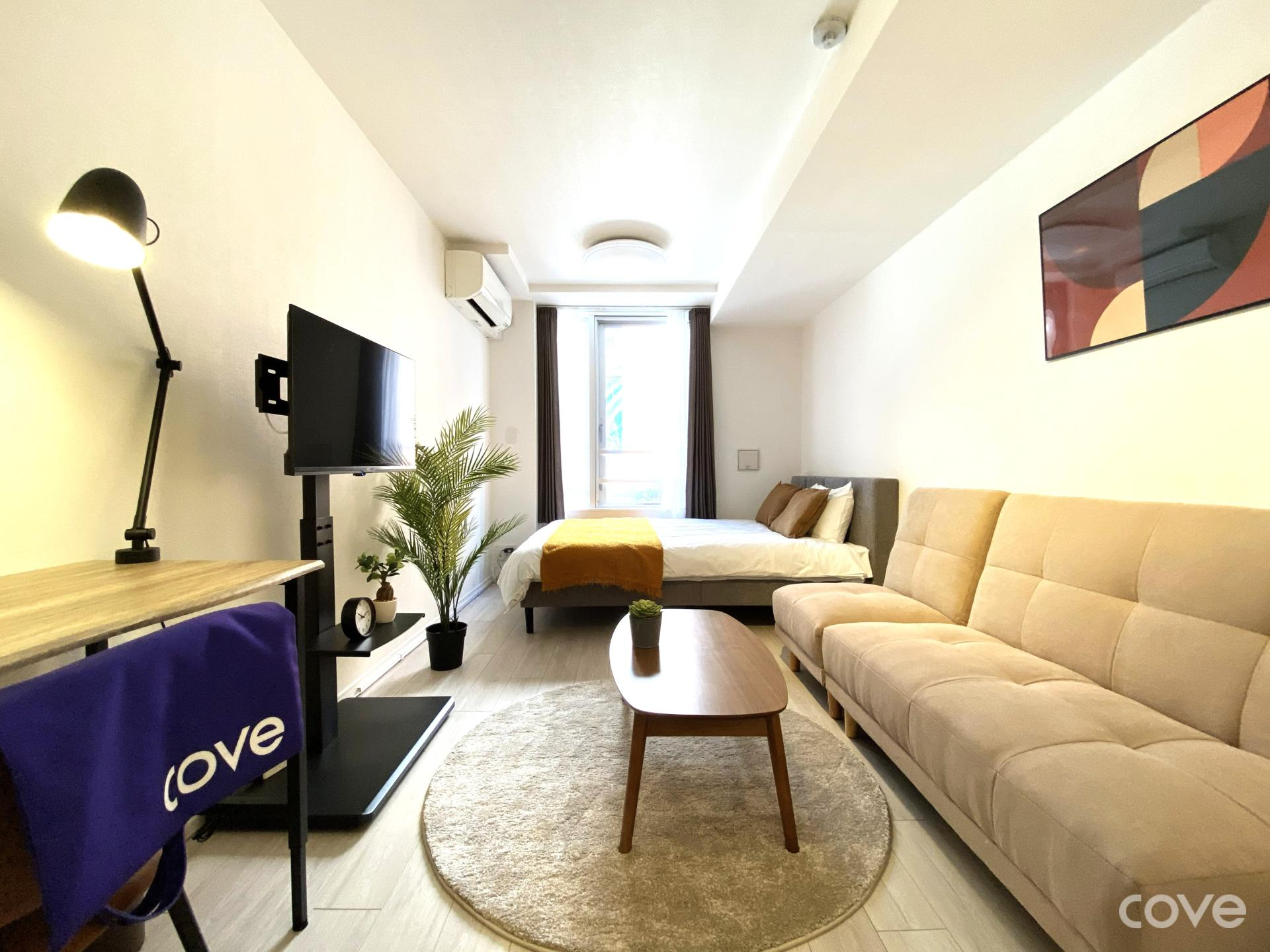
Cove accepts digital nomad visa holders and other tenants without a residence card. The required documents are a valid visa, passport, and proof of employment. No Japanese bank account is needed. Payment is accepted via Flywire or credit card.
For a deeper look at the rental process, see our guide on how to rent an apartment in Japan as a foreigner. If share houses interest you, we also have a complete guide to share houses in Japan.
Is Japan's digital nomad visa right for you?
Japan's digital nomad visa is best suited for remote workers earning above ¥10 million per year who want a legal way to live and work in Japan for up to six months. It works well for people who are comfortable using serviced apartments or share houses instead of regular rentals, and who can manage without a Japanese bank account.
Japan's digital nomad visa is not ideal for people planning to stay longer than six months, those who need full resident status (bank account, long-term lease, national health insurance), or applicants whose income falls below the ¥10 million threshold.
For longer-term stays in Japan, other visa categories offer more flexibility. Work visas, student visas, and the Highly Skilled Professional visa all provide resident status and longer validity periods. We will cover these in our upcoming guide to moving to Japan.
Frequently asked questions
Can I renew Japan's digital nomad visa? Japan's digital nomad visa cannot be renewed or extended. The maximum stay is six months. After leaving Japan, applicants can reapply for a new digital nomad visa once they have spent six consecutive months outside the country.
Can I rent an apartment in Japan on the digital nomad visa? Digital nomad visa holders cannot rent regular apartments in Japan because most landlords require a residence card. The practical housing options are serviced apartments, share houses, and furnished monthly rentals. Many of these operators, including Cove, accept tenants without a residence card.
Do digital nomad visa holders pay taxes in Japan? Digital nomad visa holders are not considered tax residents of Japan. Foreign-sourced income is not taxed in Japan under this visa. However, visa holders remain responsible for tax obligations in their home country. Consult a tax professional for your specific situation.
Can my family come with me on the digital nomad visa? Yes. Spouses and children of digital nomad visa holders can apply for their own "Spouse or Child of Digital Nomad" visa. Each family member needs proof of relationship and health insurance coverage.
How long does the Japan digital nomad visa application take? There is no official processing timeline published by the Japanese government. Based on community reports from early applicants, processing typically takes four to eight weeks. Applicants should start the process at least two to three months before your intended arrival date.